
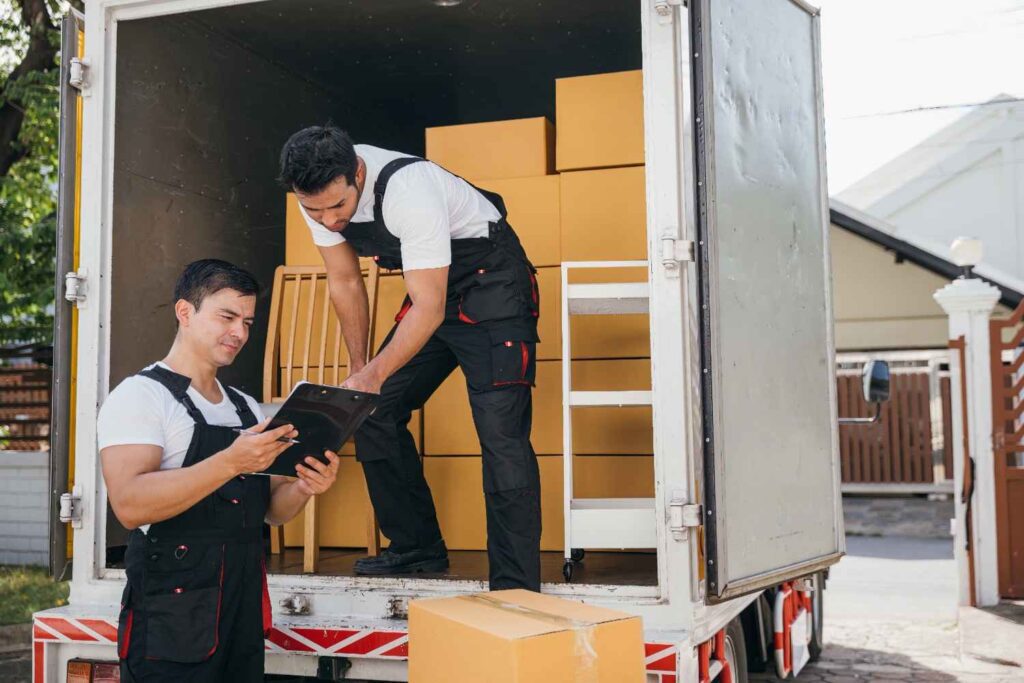
International shipping rarely ends with simply collecting a package and dropping it at another address. Between those two points, cargo may pass through warehouses, customs, ports, airports, transport hubs and several different handling stages.
That is where door-to-door shipping becomes useful. Instead of the shipper having to arrange separate transport providers, customs agents and local delivery teams, one logistics provider coordinates the shipment from its starting point through to the final destination.
For businesses in Dubai, this can make a noticeable difference. The city is connected to major air and sea gateways, free zones, industrial areas and road networks serving the UAE and wider GCC. Working with experienced door-to-door cargo companies in Dubai can therefore make international shipping easier to manage while giving businesses better visibility over their shipments.
What Does Door-to-Door Cargo Actually Include?
Door-to-door cargo means the shipment is collected from the agreed location and managed through the necessary logistics stages until it reaches the recipient’s address.
Depending on the shipment and service agreement, this can include:
- Pickup from a warehouse, office or residence
- Export documentation and customs clearance
- Cargo consolidation or temporary storage
- Air, sea, road or multimodal transportation
- Import customs clearance
- Destination-side transportation
- Final delivery
- Shipment tracking and proof of delivery
The exact scope can differ between providers, so it is important to check what the quoted service actually covers. Duties, VAT, customs charges, storage, special handling and unloading may be treated separately depending on the shipment and agreed terms.
A clear understanding at the beginning helps avoid surprises later.
1. The Process Begins with Shipment Planning
A door-to-door shipment starts well before the cargo is collected.
The logistics provider first needs a clear picture of what is being shipped and where it needs to go. Information such as the cargo type, dimensions, weight, destination and delivery deadline helps determine the most suitable way to handle the shipment.
The planning stage may consider:
- Type and description of the goods
- Weight and dimensions
- Number of packages
- Origin and destination
- Expected delivery timeframe
- Preferred transport method
- Special handling requirements
- Import or export restrictions
These details matter because not every shipment should travel in the same way.
Urgent or high-value goods may be better suited to air freight, while larger commercial shipments can often be moved more economically by sea. For shipments between the UAE and neighbouring GCC markets, road freight may provide a practical balance between transit time and cost.
Making the right choice at the start can avoid unnecessary changes once the cargo is already in transit.
2. Pickup and Handling at the Origin
Once the shipment has been planned, the first physical step is pickup.
A suitable vehicle collects the cargo from the agreed location and takes it to the next point in the logistics chain. Depending on the shipment, that could be a warehouse, consolidation facility, container freight station, airport or seaport.
At the origin facility, the cargo may be:
- Checked against the shipping documents
- Weighed and measured
- Packed or repacked where necessary
- Consolidated with other shipments
- Loaded into a container
- Prepared for export clearance
For smaller shipments, consolidation can be a useful way to manage transportation costs. Several compatible shipments can share container space instead of each requiring a dedicated container.
It is a relatively simple stage, but mistakes here can follow the shipment all the way through its journey. Missing paperwork, inaccurate cargo details or unsuitable packaging can become bigger problems during customs or transit.
3. Customs Clearance Requires Careful Preparation
Customs is one of the stages that can cause the most uncertainty in international shipping.
A professional door-to-door provider coordinates the required customs procedures and helps make sure the shipment information is ready for submission.
Depending on the cargo and route, documents may include:
- Commercial invoice
- Packing list
- Certificate of origin
- Air Waybill or Bill of Lading
- Import or export permits
- Product-specific certificates
The description of the goods also needs to be clear and accurate. HS-code classification is particularly important because customs authorities use it to identify commodities and determine applicable duties, taxes and regulatory requirements.
In the UAE, many customs processes are now handled digitally. Dubai Customs provides electronic services covering different import, export, transit and transfer procedures, making accurate documentation an important part of efficient cargo movement.
For door-to-door cargo services in Dubai, customs support can involve more than submitting documents. Depending on the shipment, the logistics provider may review paperwork, coordinate declarations, respond to customs queries and assist if the cargo is selected for inspection.
What If Customs Holds the Shipment?
A customs inspection does not automatically mean that there is a problem with the shipment. Cargo can be selected for document checks, scanning or physical examination for various reasons.
If additional information is requested, the logistics provider can coordinate with the shipper and relevant authorities, arrange the required documents and follow up until the shipment is released.
Preparation remains the best way to reduce avoidable delays. Clear invoices, accurate cargo descriptions, correct classification and complete supporting documents all help the process move more smoothly.
4. Coordinating the Right Transportation
One of the main advantages of door-to-door shipping is that the customer does not have to arrange every transport stage separately.
A typical shipment might follow a route such as:
Pickup → Origin facility → Port/Airport → International transport → Destination terminal → Customs → Local transport → Final delivery
The main international movement can take different forms.
Air Freight
Air freight is generally suitable when speed is a priority. It can be useful for urgent commercial shipments, high-value products and other time-sensitive cargo.
Sea Freight
Sea freight is often a practical choice for larger volumes where cost efficiency is more important than the shortest possible transit time. FCL and LCL options can be used depending on the shipment.
Road Freight
Road transportation plays an important role in UAE distribution and GCC cross-border cargo movements. It can also connect warehouses and industrial areas with ports and airports.
Multimodal Transportation
Some shipments use a combination of transport modes. Cargo might be collected by road, moved by sea internationally and then transferred to another truck for final delivery.
The logistics provider coordinates these handovers, carrier bookings and movement between the different stages. This reduces the amount of coordination required from the customer.
The UAE’s growing multimodal infrastructure is also opening up additional options for cargo movement between ports, logistics centres and industrial areas, including through the country’s developing rail freight network.
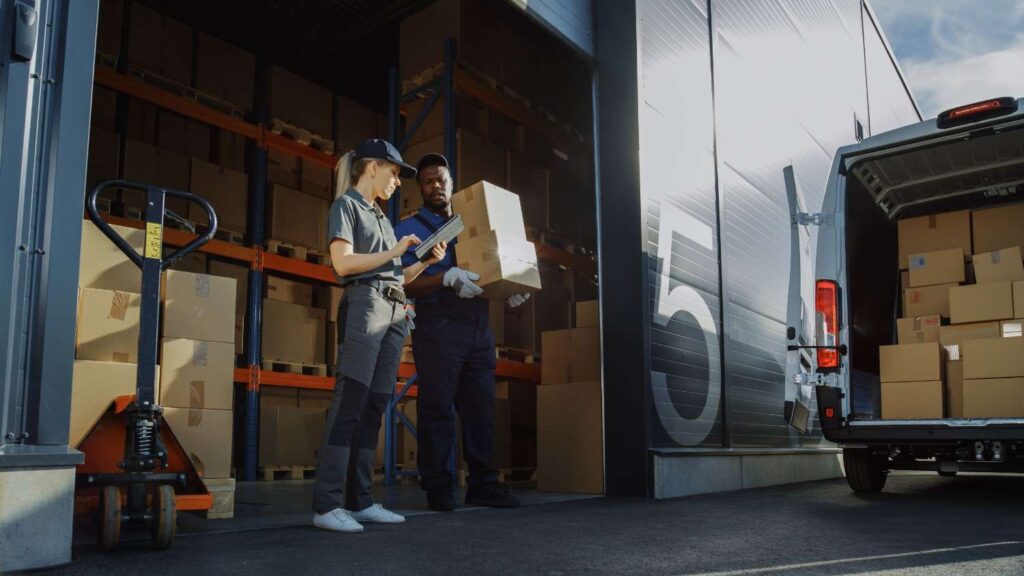
5. Tracking the Shipment During Transit
Once cargo leaves its origin, visibility becomes increasingly important.
A business may need to know whether the shipment has been collected, when it departed, whether it reached a transit point, whether customs clearance has started and when delivery is expected.
Modern cargo tracking systems can provide milestone updates throughout the journey.
This is particularly useful for businesses managing stock or customer commitments. If a shipment is delayed, early information gives the company a chance to adjust inventory plans, production schedules or customer delivery expectations.
For professional door-to-door cargo companies in Dubai, shipment visibility is therefore more than a convenient feature. It helps customers make better decisions while the cargo is still moving.
6. Destination Customs and Local Handling
Once the main international journey is complete, the shipment enters the destination-side process.
The local logistics team may coordinate import clearance, supporting documents, applicable duties and taxes, and the release of the cargo.
The destination itself can also affect how the shipment is handled. Cargo moving to a mainland business may follow different procedures from goods entering or remaining within a free zone.
This distinction is particularly relevant in Dubai, where free zones play an important role in regional distribution, imports and re-exports.
After the required clearance procedures are completed, the cargo can move towards its final delivery point.
7. Final Delivery Completes the Shipment
The final-mile stage is where the cargo reaches the recipient.
The local delivery team arranges the appropriate vehicle and coordinates the delivery based on the nature of the cargo and the destination.
This may involve:
- Agreeing on a delivery time
- Confirming the recipient’s location
- Arranging suitable unloading requirements
- Delivering to a warehouse, office, shop or residence
- Obtaining proof of delivery
Larger or heavier shipments may require additional planning. Construction sites, industrial facilities and warehouses can have their own access, unloading and safety requirements.
Reaching the destination port or warehouse is therefore not the end of a door-to-door shipment. The process is complete only when the cargo reaches the agreed delivery location.
Common Problems That Can Affect Door-to-Door Shipping
Door-to-door services simplify the logistics process, but international shipments can still encounter delays.
Common issues include:
- Incomplete or inconsistent documentation
- Incorrect HS-code classification
- Customs inspections
- Port or terminal congestion
- Transportation disruptions
- Poor or unsuitable packaging
- Incorrect delivery details
- Additional handling requirements
- Changes to carrier schedules
Many of these problems can be reduced through better planning and communication.
Having one logistics provider coordinate the shipment also gives the customer a clear point of contact when something needs attention. Instead of trying to determine which company is responsible for a delay, the shipment can be followed through one coordinated process.
What Should You Check Before Booking a Door-to-Door Service?
The lowest shipping quote is not always the most economical option once additional charges are considered.
Before booking, businesses should ask:
- What is included in the quoted price?
- Is customs clearance included?
- Are duties and VAT included or charged separately?
- Which transport mode will be used?
- Is shipment tracking available?
- How are customs inspections handled?
- Is temporary storage available if required?
- Who manages the final delivery?
- What documents need to be provided before pickup?
Clear answers to these questions can prevent unexpected costs and make the shipping arrangement easier to manage.
Why Door-to-Door Cargo Is Useful for UAE Businesses
Dubai’s position as a major international trade and logistics centre gives businesses access to extensive shipping networks. But that connectivity also means shipments can involve several transport providers, customs procedures, terminals and delivery stages.
A door-to-door model brings those activities together under one coordinated service.
For businesses, this can mean fewer separate parties to manage, clearer communication and better visibility throughout the shipment. It is particularly useful when cargo needs to move across borders or switch between air, sea and road transportation.
Final Thoughts
Door-to-door cargo is about more than collecting a shipment and delivering it somewhere else. Behind a successful delivery is a chain of planning, documentation, customs coordination, transportation, tracking and final-mile handling.
For businesses considering door-to-door cargo companies in Dubai, the initial freight rate should not be the only deciding factor. The provider’s ability to manage the complete shipment matters just as much.
Look at how the company handles customs documentation, cargo protection, transport coordination, tracking, storage and final delivery. A provider that can keep these stages connected can make international shipping considerably easier to manage and reduce the risk of avoidable delays.
For companies using Dubai as a gateway to the UAE, GCC and international markets, well-coordinated door-to-door cargo services in Dubai can provide the practical combination of convenience, visibility and professional logistics support needed to keep goods moving from the sender’s location to the recipient’s door.