
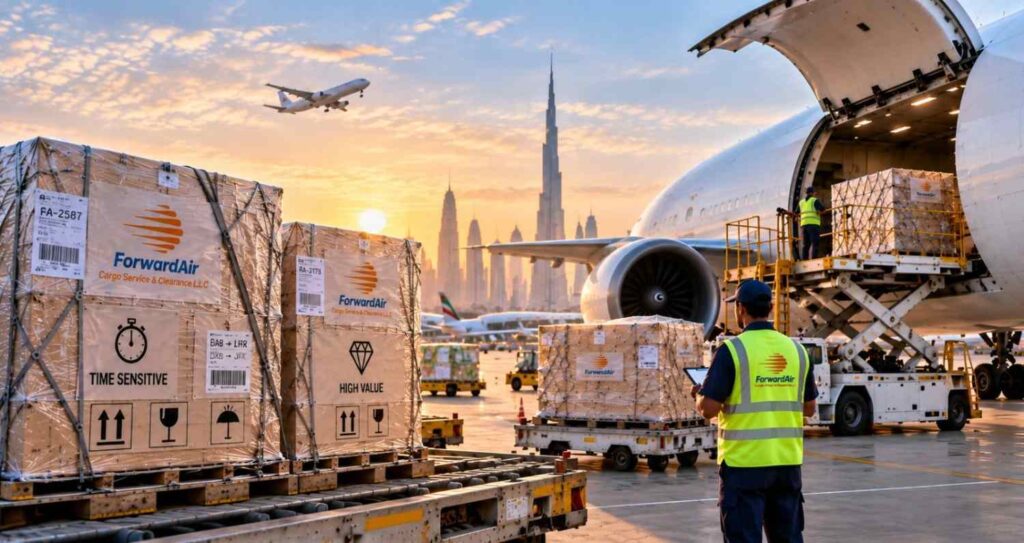
How Air Cargo Handles Time-Sensitive and High-Value Shipments
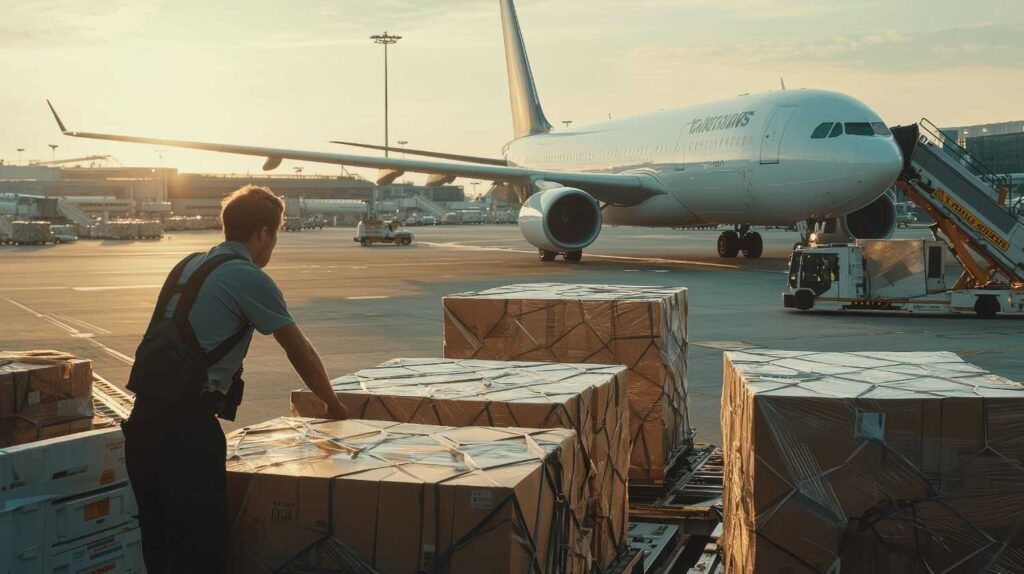
When a shipment is urgent or carries significant value, transportation involves more than simply choosing the fastest available route. Delivery schedules, cargo security, documentation, customs procedures, handling requirements and shipment visibility can all affect the outcome. This is where air cargo can be a practical option. Compared with slower transportation modes, air freight can provide shorter transit times and is commonly considered for time-sensitive freight, medical supplies, electronics, valuable goods, urgent commercial shipments and retail inventory. For businesses operating through Dubai, choosing experienced air cargo companies in Dubai can also help simplify the coordination involved in moving shipments from collection through final delivery. Why Air Cargo Is Suitable for Urgent and Valuable Shipments Air freight is generally associated with speed, but its value for sensitive shipments goes beyond transit time. For a business waiting for critical inventory, replacement components, medical products, or high-value equipment, a delay can affect operations and customer commitments. Air transportation can help shorten the time goods spend in transit, particularly when the shipment needs to reach an international destination within a tighter schedule. High-value cargo can also benefit from careful handling and improved shipment visibility. However, the level of security and handling required depends on the type of cargo, destination, carrier requirements and applicable regulations. The decision to use air freight therefore usually comes down to several factors, including: Delivery urgency Cargo value Shipment size and weight Destination Product sensitivity Customs requirements Available transportation options Overall shipping budget How Time-Sensitive Air Cargo Is Managed Planning Starts Before the Shipment Is Collected For urgent cargo, preparation can be just as important as the flight itself. The shipper or logistics provider needs to establish the cargo dimensions, weight, destination, required delivery schedule, documentation, and handling requirements before booking transportation. Selecting an appropriate service and coordinating pickup with airline acceptance times can help prevent avoidable delays. Documentation is particularly important. Commercial invoices, packing lists, permits and other shipment documents may be required depending on the cargo and destination. Incomplete or inaccurate information can create problems during customs or cargo acceptance. Forward Air Cargo states that its air freight process can include cargo collection, airline booking, documentation, customs clearance, tracking and final delivery. Security and Special Handling High-value shipments may require additional security controls and careful handling throughout the transportation process. In the UAE, air cargo is subject to aviation security requirements that include appropriate screening or other security controls before cargo is loaded onto an aircraft. High-risk cargo can also be subject to enhanced security measures. For businesses, this means that selecting a logistics partner is not simply about finding a fast flight. The shipment also needs to move through the appropriate handling and security procedures while maintaining clear documentation and custody information. Packaging is another important consideration. Fragile or valuable products may require packaging that reduces the possibility of movement, impact or damage during transportation. Temperature Control for Sensitive Products Not all time-sensitive shipments are valuable because of their price. Some are sensitive because their quality can change when exposed to unsuitable temperatures. Pharmaceutical products, vaccines, certain food products, flowers, seafood, dairy products and other perishables may require temperature-controlled transportation. Forward Air Cargo states that it handles climate-controlled, refrigerated, chilled and frozen cargo by air, land and sea, with specialist handling for cold-chain and cool-chain shipments. Its website also states that temperature settings for reefer containers or aircraft are monitored during transit. For pharmaceutical shipments in particular, temperature management, appropriate equipment, documented procedures and coordination between supply-chain partners are important parts of maintaining product integrity. How High-Value Cargo Is Protected High-value cargo can include electronics, specialist equipment, premium products, pharmaceuticals and other goods where loss or damage could have significant financial consequences. Protection starts with appropriate packaging and continues through handling, storage, transportation and final delivery. Shipment visibility is also valuable. Tracking updates can help businesses understand where cargo is in the transportation process and respond more quickly when a delay or change occurs. Forward Air Cargo provides shipment tracking and states that customers receive updates about cargo from pickup through final delivery. For particularly valuable shipments, businesses should also consider factors such as insurance requirements, handling procedures, packaging quality, transfer points and the reputation of the logistics provider. Importance of Customs Clearance in Dubai Even when the flight itself is fast, customs procedures can affect the overall delivery timeline. Accurate documentation and correct customs declarations can help reduce unnecessary delays. This becomes especially important for urgent commercial shipments where the value of speed depends on the cargo moving efficiently through every stage of the journey. Dubai’s position as an international logistics hub makes efficient air-cargo and customs operations particularly important for businesses involved in international trade. Dubai Customs reported approximately 18.2 million air-cargo customs transactions during the first half of 2026, with around 1.3 million tonnes of cargo handled during the period. For importers and exporters, the practical lesson is straightforward: faster transportation works best when documentation and customs preparation are handled with the same level of attention. Why Shipment Visibility Matters For time-sensitive cargo, knowing where a shipment is can be almost as important as knowing when it is expected to arrive. Tracking can provide useful visibility after dispatch and help businesses plan receiving, inventory and downstream operations. It can also make communication easier when a shipment experiences a change in schedule. Forward Air Cargo offers real-time shipment updates as part of its air freight services, giving customers visibility during transportation. Choosing the Right Air Cargo Partner in Dubai Businesses comparing air cargo companies in Dubai should look beyond advertised transit times. A suitable provider should be able to coordinate important parts of the shipment, including: Cargo collection and preparation Airline booking Documentation Customs clearance Special handling where required Shipment tracking Final delivery The right solution also depends on the cargo itself. A pharmaceutical shipment may have very different requirements from an electronics consignment, urgent commercial stock or personal cargo. Forward Air Cargo provides air freight services for commercial cargo, import and export shipments, urgent […]