
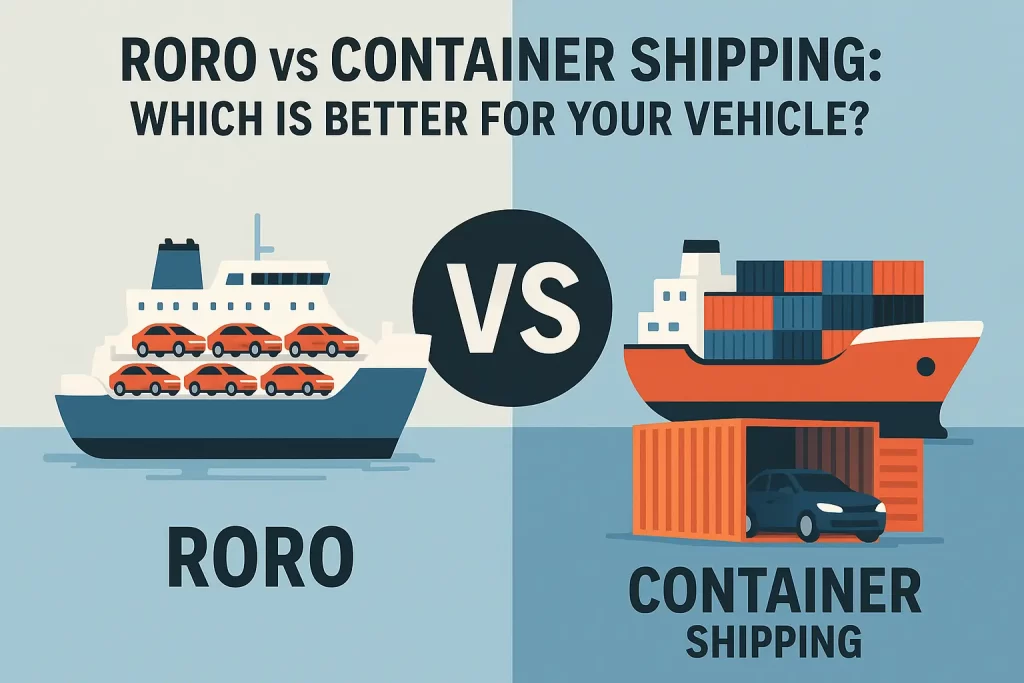
Shipping a vehicle across borders involves more than just moving metal from point A to point B. Trust, timing, safety, and cost all come into play. Whether it’s a family car being relocated, a luxury vehicle heading to a showroom, or a fleet of commercial vehicles moving for resale, the shipping method makes a massive difference in how smoothly everything goes.
Two options dominate the vehicle shipping world: Roll-On/Roll-Off (RORO) and container shipping. Each has distinct strengths, clear limitations, and situations where it shines. For anyone working with a cargo service in Dubai, understanding these differences can prevent costly mistakes and a lot of unnecessary headaches.
Dubai sits at the heart of global logistics, with thousands of vehicles passing through its ports every month. Automobile dealers, exporters, private owners, and collectors all face the same decision: which method protects their vehicle better while meeting budget and timing requirements?
What RORO Shipping Actually Means
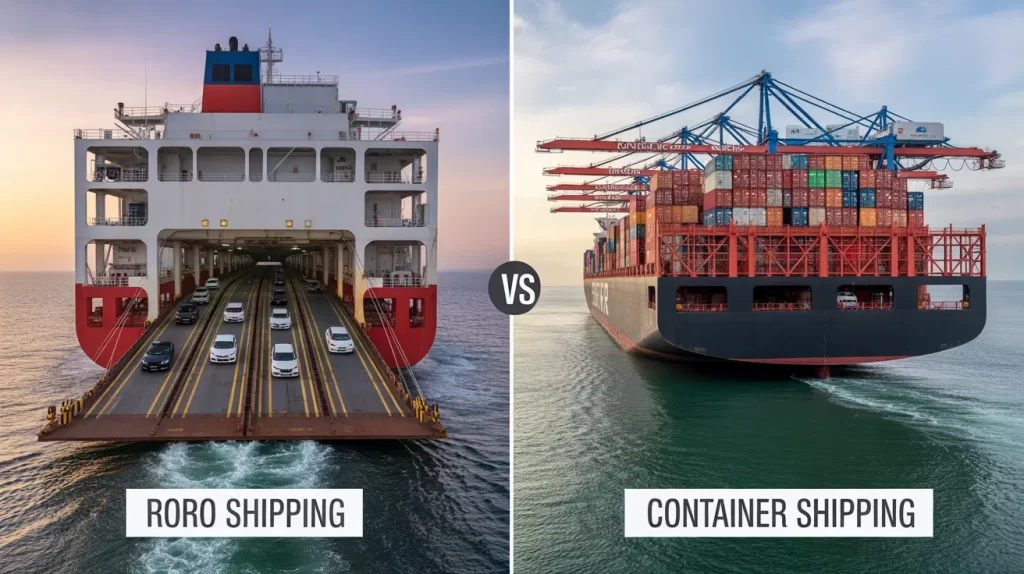
RORO shipping works exactly how it sounds—vehicles roll on and roll off the vessel using built-in ramps. Inside, the ship operates like a massive floating parking garage with multiple secured decks. Vehicles get firmly lashed down for the voyage. This method handles standard cars, SUVs, trucks, buses, agricultural equipment, and construction machinery without breaking a sweat.
The appeal of RORO comes down to cost efficiency and speed. No container packing required. No crane lifting is involved. Vehicles drive on under their own power, which makes loading and unloading dramatically faster at both ends. For dealerships importing in bulk or fleet operators managing dozens of vehicles at once, RORO offers a fast-moving, budget-friendly solution that’s hard to beat.
But RORO does have its trade-offs. Vehicles sit inside the open decks of the vessel rather than being sealed in a container. Modern RORO ships provide solid weather protection, but minor cosmetic risks during port handling still exist. Another critical requirement: the vehicle must be fully operational. If it won’t start or can’t move on its own, RORO isn’t an option. Personal belongings inside the vehicle aren’t allowed either, and only specialised ports can handle RORO vessels.
How Container Shipping Works
Container shipping takes a different approach entirely. The vehicle gets positioned inside a steel container—usually 20 or 40 feet long—strapped down securely, then sealed before being lifted onto a vessel using cranes. Throughout the entire journey, it stays protected inside that closed unit.
Protection is container shipping’s biggest selling point. The vehicle stays shielded from dust, weather, saltwater exposure, and any port-side movement that could cause damage. Security runs higher, too, because the container gets sealed, reducing tampering risks significantly. Flexibility is another major advantage—container shipping allows spare parts, household goods, or personal items to travel with the car when regulations permit. It’s also the only workable option for non-running vehicles, classic restorations, and rare collectibles.
The main drawback? Higher costs and a slightly more involved logistics process. Container loading, inspection, and crane handling all add to the price tag. Transit time can vary depending on consolidation schedules. Even so, for high-value cars or sensitive shipments, container shipping remains the safer long-term bet.
Dubai’s Unique Vehicle Shipping Landscape
Dubai’s vehicle shipping market operates differently from most global markets. It handles both massive commercial trade volumes and a thriving luxury automotive segment. Mass-market vehicles constantly flow in for resale across the GCC, Africa, and Asia, while high-end supercars, luxury sedans, and collectible classics dominate the premium shipping space.
Dealerships, exporters, and bulk importers using a cargo service in Dubai typically prefer RORO for its fast turnaround and lower per-unit shipping cost. On the flip side, luxury car owners, collectors, and people relocating often choose container shipping for maximum safety and peace of mind, even when it costs more.
Vehicle Condition Makes or Breaks the Decision
One of the biggest deciding factors between RORO and container shipping comes down to whether the vehicle actually runs. RORO shipping strictly requires the car to start, move, and brake properly so it can drive on and off the vessel under its own power. Container shipping has no such requirement and handles non-running cars, damaged vehicles, restoration projects, and vintage collectibles without issue.
Cargo flexibility creates another clear divide. RORO shipping doesn’t allow personal items inside the vehicle. Container shipping does—spare parts, tools, and household goods can travel together with the car when permitted. This makes container shipping especially convenient for people relocating to or from Dubai with personal belongings.
Protection, Insurance, and Managing Risk
Insurance coverage works differently between the two methods. RORO insurance often covers only major damage or total loss scenarios. For expensive vehicles, this level of coverage may not feel adequate. Container shipping usually offers broader insurance options with itemised protection that better suits luxury, rare, or modified vehicles.
Dubai’s hot, dusty, and humid climate adds another layer to consider. Container shipping reduces long-term exposure risks like corrosion, interior fading, and dust buildup during extended journeys. For clients using a cargo service in Dubai to ship premium vehicles, this extra protection often becomes the deciding factor.
Port Availability and Routing Flexibility
RORO vessels only operate through specialised ports equipped with advanced ramp systems and rolling decks. Container shipping, however, works through almost every major commercial port worldwide. This makes routing more flexible, especially when origin or destination locations don’t support RORO infrastructure.
Dubai’s ports handle both methods efficiently, but availability still depends on shipping line schedules, destination country facilities, and seasonal demand. Route planning often matters just as much as the shipping method itself.
Making the Right Call
Choosing between RORO and container shipping isn’t about which method is objectively better. It’s about which one aligns with budget constraints, vehicle condition, delivery expectations, and comfort with risk.
RORO shipping works best for standard, roadworthy vehicles when speed and cost savings top the priority list. Container shipping fits luxury cars, non-running vehicles, restorations, and situations demanding maximum protection and flexibility. Before confirming any shipment through a cargo service in Dubai, comparing full door-to-door pricing, transit time, insurance coverage, customs requirements, and final port handling makes sense.
Final Thoughts
Both RORO and container shipping serve as essential pillars of global vehicle transportation, particularly in a high-volume logistics hub like Dubai. RORO supports fast, economical movement for commercial fleets and dealerships. Container shipping safeguards high-value and sensitive vehicles with greater care and security.
When backed by solid information and supported by a reliable cargo service in Dubai, vehicle shipping becomes far less stressful and much more predictable. The right choice protects the vehicle, ensures smoother customs processing, delivers better cost control, and provides genuine peace of mind. Understanding the difference between RORO and container shipping allows for smarter, safer shipping decisions made with confidence.
FAQs
RORO stands for Roll-On/Roll-Off. Basically, vehicles drive straight onto the ship using ramps, get secured inside, and that’s it. Works great for cars, buses, trucks, and any rolling machinery that can move under its own power.
Container shipping means loading your vehicle into a sealed steel container before it goes on the ship. The vehicle stays protected from weather, dust, and any handling risks throughout the journey. This method makes the most sense for luxury cars, classics, or vehicles that aren’t running.
Depends entirely on what you’re shipping and what matters most to you. RORO costs less and moves faster for standard vehicles that run fine. Container shipping offers better protection for high-value cars, non-operational vehicles, or anything collectible
Yes, RORO shipping is safe for most standard vehicles. Modern RORO vessels have secured decks and solid lashing systems to keep vehicles in place. That said, since the vehicle isn’t fully enclosed, container shipping does provide an extra layer of protection for premium cars.
Not with RORO—personal items aren’t allowed for safety and compliance reasons. Container shipping is different, though. You can pack spare parts, tools, and personal belongings with the vehicle, as long as customs regulations allow it