
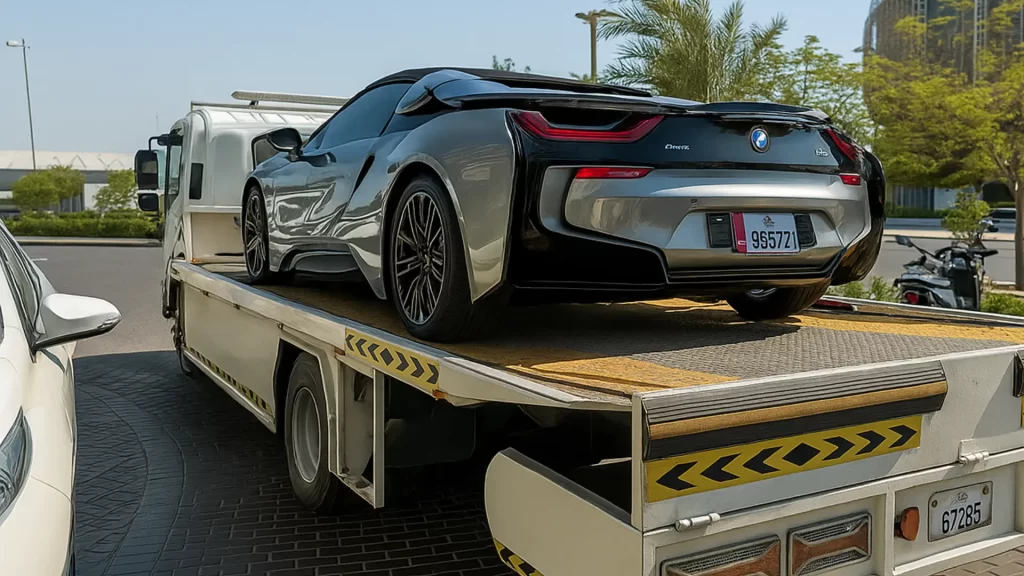
Shipping a luxury vehicle to or from Dubai? It’s not your everyday cargo move. When someone’s transporting a Bentley or Ferrari, there’s a lot more at stake than just getting from point A to point B. And here’s the thing most people learn the hard way: almost every shipping headache could’ve been avoided with better preparation.
The UAE doesn’t take vehicle imports lightly, and honestly, that’s probably a good thing. But it does mean owners need to do their homework before their prized car goes anywhere near a shipping container. Let’s break down what actually matters and why cutting corners usually backfires.
Dubai’s Import Rules: Stricter Than You’d Think
The UAE has built a reputation for luxury, but that doesn’t mean they’re relaxed about what vehicles can enter the country. Plenty of expensive cars have sat in customs limbo because someone assumed the process would be straightforward.
GCC specifications aren’t optional. Every vehicle must meet the Gulf Cooperation Council’s safety and emissions standards. Customs officials actually verify this stuff—it’s not buried in fine print somewhere.
Only left-hand drive vehicles are allowed. This surprises quite a few people, especially those shipping from right-hand drive markets like the UK or Japan. Dubai’s roads only accommodate LHD cars, period.
Age restrictions. Most imported vehicles need to be under 10 years old. Classic car enthusiasts can sometimes get exceptions, but that requires jumping through RTA approval hoops.
RTA inspections happen to every imported car. Once the vehicle arrives, it goes through a mandatory technical inspection. These aren’t rubber-stamp affairs either—they’re detailed checks to confirm everything meets local standards.
Skip any of these steps, and the consequences range from annoying delays to outright rejection at customs. Not exactly how anyone pictures their luxury car’s arrival.
Documentation: The Boring Part That Actually Matters Most
Nobody enjoys paperwork. But when it comes to luxury car shipping in Dubai, incomplete documentation causes more problems than anything else. Getting this sorted up front saves weeks of frustration later.
The essentials before shipping include:
- Valid identification: Emirates ID or passport with current visa
- Proof of ownership: Original vehicle title, purchase invoice, registration documents
- Shipping paperwork: Bill of Lading, export certificate, customs declaration forms
- Import permits: Some vehicle types need approval from the Ministry of Economy
- Proper insurance coverage: All-risk transport insurance isn’t where to save money—these are valuable assets that deserve full protection
Think of documentation as the vehicle’s travel papers. Without everything in order, cars either don’t ship or they arrive only to create complications that could’ve been prevented.
Getting the Vehicle Physically Ready (Details That Prevent Damage)
Paperwork handled? Good. Now the actual car needs preparation before luxury car shipping can happen safely.
Clean the vehicle thoroughly. Both exterior and interior need proper cleaning. This isn’t about appearances—accurate pre-shipping inspection requires a clean car to document any existing marks or issues.
Empty out everything inside. Personal items, electronics, loose change—all of it needs to come out. Customs can flag personal belongings, and things shift around during transport.
Check all mechanical systems. Battery charge, brake function, tire condition, fluid levels—everything should work properly. Leaks or mechanical problems need fixing before shipping, not after.
Keep fuel minimal. Quarter-tank or less is the standard (roughly 5-10 liters). Lower weight meets safety requirements and reduces fire risk.
Secure anything that moves. Side mirrors fold in, antennas retract, and detachable parts like spoilers or roof accessories need proper securing.
Turn off alarm systems. An alarm going off inside a sealed container helps nobody, and it’ll just drain the battery.
Photograph everything. Take clear, dated photos from multiple angles before handing over the vehicle. If damage occurs during transport, this documentation becomes crucial for insurance claims.
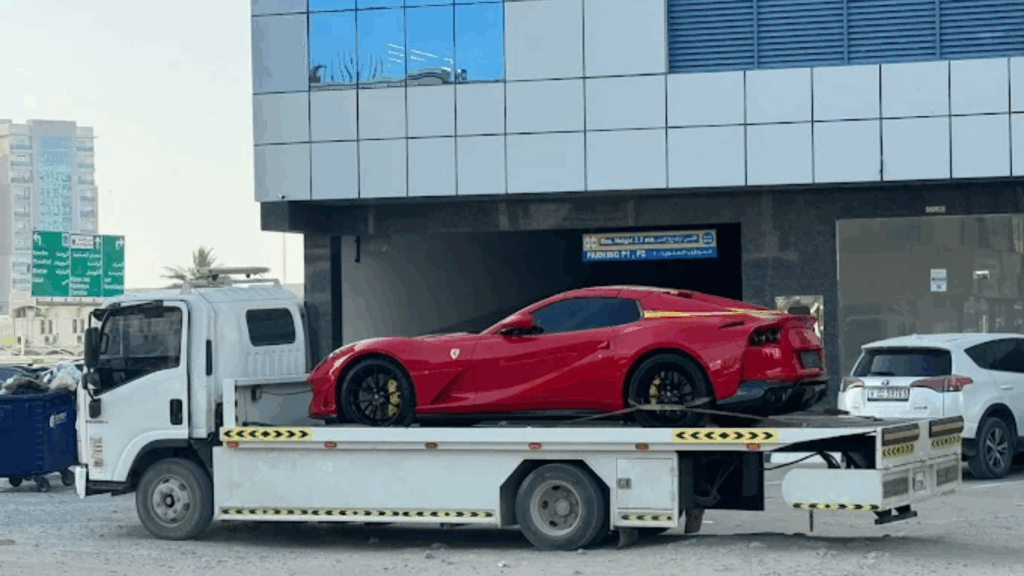
Choosing Between Shipping Methods
How a luxury vehicle gets shipped matters almost as much as the preparation itself.
RoRo (Roll-on/Roll-off) shipping costs less—there’s no denying that advantage. But for high-value vehicles, enclosed container shipping offers something money can’t replace after the fact: comprehensive protection from environmental elements.
Dubai’s desert environment means dust, sand, and intense heat. Enclosed, climate-controlled containers shield luxury cars from all of that during transport. Most specialists in luxury car shipping in Dubai recommend this method despite the higher price tag, particularly for exotic or rare vehicles.
The cost difference might seem significant upfront. But compared to the vehicle’s value and potential damage from exposure, enclosed shipping usually makes more financial sense.
Why Professional Logistics Partners Change Everything
Some vehicle owners think they can coordinate luxury car shipping themselves to save money. That rarely works out well.
The regulations are genuinely complicated. UAE customs requirements have specific quirks, insurance policies vary widely, and handling protocols for luxury vehicles differ from standard auto transport. Professionals who specialize in this know which details matter and which paperwork customs officials actually scrutinize.
Forward Air Cargo, for instance, handles luxury car shipping from start to finish—inspection, documentation verification, secure loading, coordinated transport, and customs clearance. Their familiarity with UAE compliance requirements means fewer delays and complications. When moving a six-figure vehicle across international borders, that expertise isn’t where to cut costs.
Why All This Preparation Actually Matters
Proper preparation protects more than just the physical vehicle. It protects the investment, the timeline, and, honestly, the owner’s peace of mind during what should be an exciting process.
Shipping a Rolls-Royce, Bentley, Ferrari, or Lamborghini means moving extraordinary craftsmanship and engineering. Often there’s emotional attachment too—maybe it’s a dream car finally acquired, or a collector’s piece that took years to find.
Every preparation step—documentation double-checked, mechanical issues addressed, photos taken, proper shipping method selected—contributes to one outcome: the vehicle arriving in exactly the condition it left in.
Conclusion
Luxury car shipping in Dubai isn’t rocket science, but it does require attention to detail. Understanding UAE import regulations, assembling complete documentation, and preparing the vehicle properly—these steps upfront prevent problems that would be far more expensive and frustrating to fix later.
The smart move? Work with logistics providers who actually specialize in luxury car shipping rather than general freight. Companies like Forward Air Cargo bring the specific expertise and local knowledge that high-end vehicles demand. They understand that with luxury cars, condition matters, timing matters, and getting everything right the first time matters most.
In the high-end automotive world, there’s no such thing as “good enough” preparation. Proper planning separates smooth, successful shipping from expensive problems. These vehicles deserve that level of care, and owners deserve the confidence that their investment is protected throughout the entire journey.
Look for a company with proven experience in high-value vehicle transport, certified customs handling, and a strong reputation in the UAE market. Forward Air Cargo is one such trusted name, known for its reliable and secure luxury car shipping services with a solid track record across the region
Check that they offer enclosed container options, provide all required documentation support, enforce insurance for high-value cars, and show expertise in UAE regulations and import/export processes.
Yes. Many specialist providers give you real-time tracking access and updates on your vehicle’s location, transport status, and clearance progress to keep you informed from origin to destination.
The vehicle should be clean (inside and out), have minimal fuel (around ¼ tank), no loose parts, and all mechanical systems working properly. Documenting its condition with photos helps protect you in case of transport damage.
Transit times vary based on origin/destination and shipping method, but with proper preparation and documentation, the clearance and release process can often be streamlined to reduce delays significantly.