
Uncategorized

Shipping Car from Dubai to Bahrain: How to Choose the Right Service

Moving to a different country within the Gulf Cooperation Council (GCC) is now happening more and more often, whether it’s for a job, business, or personal reasons. When people move, one of the most demanding services is car shipping. Shipping car from Dubai to Bahrain is common now.  In the first half of 2025, Bahrain brought in more than 22,200 cars, which is 15% more than during the same time in 2024. Many people who live and work in another country would rather bring their own cars that they know and trust instead of purchasing new cars in a different place, and companies often move many cars across the GCC area to help keep their businesses running. In this scenario, we should know what things cause complications and how to ship car from Dubai to Bahrain successfully with cost benefits and without time delay. Why Shipping Car from Dubai to Bahrain Needs Careful Planning Shipping a car is different than shipping regular items. It needs more care. We know cars are expensive and need special care throughout the journey. When shipping car from Dubai to Bahrain, you must follow the rules and regulations for sending and receiving goods, and get the needed approvals to ship safely. Several factors make this process more complex and costly: Customs procedures:  You must follow both the UAE’s and Bahrain’s rules for shipping a car from Dubai to Bahrain. A single paperwork mistake can lead to fines and delays. Transport method selection: Cars can be shipped via sea (containerized or Roll-On/Roll-Off) or air freight. Choosing the wrong method can lead to high costs or extended delivery times. Fuel, labor, and handling costs: Shipping involves manpower, specialized equipment, and fluctuating fuel expenses, all of which impact the total cost. Vehicle value: High-value, luxury, or specialized vehicles require extra cost because they require extra care, including proper lashing, insurance coverage, and secure handling. Because of these problems, using a reliable service for car shipping in Dubai is key to do makes you follow the rules, keeping your car safe, and making everything easier and less stressful for you. Choosing the Right Transport Method Choosing the right way of transportation method is key when shipping car from Dubai to Bahrain. Sea Freight (Containerized or Roll-On/Roll-Off): Shipping in containers is safe and works well for expensive cars. Cars are put in special containers that can also hold personal items. Shipping is cheaper for regular cars. Cars are driven onto the ship, which is good for shipping many cars at once. Air Freight: Shipping by air is the quickest way, which is great for fancy or valuable cars that must arrive fast. While pricier than shipping by sea, it makes sure they get there quickly and safely. By assessing the urgency, budget, and type of vehicle, car owners can select the method that balances cost, safety, and speed. Documentation Required for Car Shipping Having the right papers is very important so you don’t have holdups. What you need depends on if you’re moving it for good or just for a visit: Permanent Export by Sea: Proof of export, car ownership paper, copies of your passport or visa, plus addresses for both the person sending and getting it. Tourism by Sea: A CARNET from the Automobile & Touring Club UAE, a tourism paper from RTA, the car’s actual ownership card, and papers that prove who you are. Air Freight: You’ll need about the same papers as mentioned above, but it depends on if the move is forever or just for a trip. Experts in this business can show you what you need, making sure you follow all the rules. How to Choose the Right Car Shipping Service When you are trying to find a company to ship your car, think about these things to get the best outcome.  Experience: Choose a company that has actually shipped cars before in Dubai and all over the GCC area. If they know the rules and how things work at the border, it could save you time. Safety and Insurance: Be sure the company has insurance, uses the right tools to load and unload cars, and lets you track where your car is. Clear Pricing: Don’t get any unexpected bills by asking for prices that are easy to understand right away. Companies you can trust won’t hide extra costs in the small print. Tailored Services: Each car is unique. The company needs to change how they do things to match what you need, whether it’s a regular family car, a high-end sports car, or many cars at once. Strong Network: Companies that work in many places, both nearby and far away, can handle moves to different countries easily, whether it’s within the GCC region or anywhere else in the world. If you think about these things, you can pick a good company that makes sure your car is moved safely, on time, and without any trouble. Cost Considerations Shipping costs can vary depending on the transport method, vehicle type, and any additional services you might need. For instance, when sending things by sea, you can choose to use containers, which keep things safer but cost a bit more, or you can use Ro-Ro, which is cheaper but doesn’t give you as many choices. Sending things by air costs more, but it’s quicker and often the best way to send fancy cars or things that need to get there fast. Also, people who own cars should think about extra costs like taxes, fuel fees, and what they pay people to do the work. If you talk about everything you need with the company helping you ship, you can plan your money better and not have any unexpected costs at the end. Why Forward Air Cargo is a Reliable Choice When shipping car from Dubai to Bahrain,   Forward Air Cargo is one of the professional and comprehensive solution providers in this region. Their expertise includes: Complete services that cover everything from the car pickup to

Shipping Car from Dubai to Bahrain: How to Choose the Right Service Read More »

last mile delivery

How to Make Last Mile Delivery Faster and More Cost-Effective

In busy cities like Dubai or the rest of the GCC, the last mile of a shipment plays a vital role in whether businesses win or lose customer satisfaction. But this important step is often the hardest and most expensive part of the supply chain. Last-mile delivery can make up as much as 53% of the total shipping and delivery costs, mostly because of things like failed deliveries, fuel costs, and labour costs. Not only is this a problem with logistics, but it’s also a problem with competition. You need to get good at this process if you want to keep customers happy and costs down. This guide will explain what last-mile delivery is, why it costs so much, and eight things you can do to make it quicker and less expensive. What Last Mile Delivery Is and Why It’s So Costly Last mile delivery is the last step in getting goods from a transportation hub to their final destination, which is usually the customer’s door. It’s the most important part of the delivery process because it directly affects how the customer feels about your brand. But it’s also the most expensive. This is why: High costs: More drivers, vehicles, and fuel are needed for trips to faraway places. Logistical complexity: When drivers have to deal with traffic that isn’t always clear, addresses that aren’t always clear, and a short delivery window, planning delivery routes can be a difficult. Customers have high expectations. They want updates in real time, deliveries on time, and options that are easy to change. Failed deliveries—Every time you try to deliver something and it doesn’t get there, it costs twice as much to handle and wastes resources. 8 Helpful Tips for Speeding Up and Lowering the Cost of Last Mile Delivery Use micro-fulfillment and local hubs to put deliveries in groups. You can get your inventory closer to your customers by using micro-fulfilment centers, dark stores, or local cross-dock hubs. This makes drops more dense, cuts down on the distance traveled, and speeds up deliveries. Use Dynamic Dispatch and Smart Route Optimisation Modern route planners look at things that happen in real time, like traffic, how many vehicles can fit on a route, and when deliveries are due. Dynamic dispatching gives out jobs as things change. This cuts down on downtime and makes sure that work gets done on time. Raise the number of first-attempt deliveries Every failed delivery costs more. Give customers accurate ETAs, short delivery windows, and ways to prove that they got their package without having to talk to someone. Let customers reschedule by text message or an app to cut down on missed attempts. Give customers different ways to get their orders and pick them up. Customers have more control with click-and-collect, parcel lockers, and pickup points. This cuts down on costly failures at the door. Make the most of packaging and combine shipments To save time and dimensional weight, use the right size packaging. To save money and trips, combine several shipments going to the same place into one run. Use local partners and crowdsourced delivery carefully To add extra capacity during busy times without having to pay a lot of fixed costs, hire local couriers or gig drivers who have been checked out. With clear service agreements and key performance indicators (KPIs), you can keep an eye on things. Keep Returns Simple and Short A good reverse logistics system with pre-printed labels, drop-off points, or scheduled pickups saves money and keeps customers happy. Keeping track of why people return things also helps keep people from returning things in the future. Measure, test, and improve Keep an eye on key performance indicators (KPIs) like cost per delivery, on-time rate, and first-attempt success. Try out small pilots in a few areas before going all out. Testing all the time makes sure that changes are still based on facts. Technology That Helps  You don’t have to start over from scratch to make last-mile delivery better. A few specific tools can have a big effect: Real-time shipment visibility and ETA notifications – Keep customers informed and reduce failed deliveries. Route optimization engines – Factor in traffic, capacity, and delivery windows to cut time and fuel use. Electronic Proof of Delivery (ePOD) uses signatures, photos, and GPS stamps to make sure everyone is accountable and open. Driver apps with optimized manifests – Simple apps help drivers follow efficient routes, manage deliveries, and operate even offline. Integrations with APIs— Link your order systems, warehouse management, and dispatch to avoid delays caused by doing things by hand. Adopt tools step by step: start with features that deliver quick ROI, such as real-time visibility, then expand into advanced route optimization and hub management. People, Processes, and Partnerships Matter Too Technology is only one part of the answer. Teach drivers how to load and unload quickly and talk to customers. Make sure that all packaging and handover procedures are the same. You should also use scorecards to rate third-party partners on how well they keep their promises, how often they damage things, and what customers say about them. Avoid these common mistakes:  picking the cheapest provider without checking their reliability or any hidden fees. Adding too many delivery options without looking at what customers want. Running one-time pilots without ensuring that successful practices are used every day A quick plan for getting tasks done Review your current last-mile costs and places where things go wrong. Set up one micro-hub and one routing tool to run a pilot in a small area for one month. Review KPIs every day, make changes, and build on what works. Start training and signing contracts with partners, and then review them every three months to make them even better. Final Thoughts To make last-mile delivery faster and cheaper, we need to make small, steady improvements in density, routing, communication, and technology. Companies can lower costs while increasing speed and customer satisfaction by upgrading their processes, working with local businesses, and using smart

How to Make Last Mile Delivery Faster and More Cost-Effective Read More »

Heavy Cargo Transport Company heavy cargo transportation

Your Guide to Hiring a Reliable Heavy Cargo Transport Company

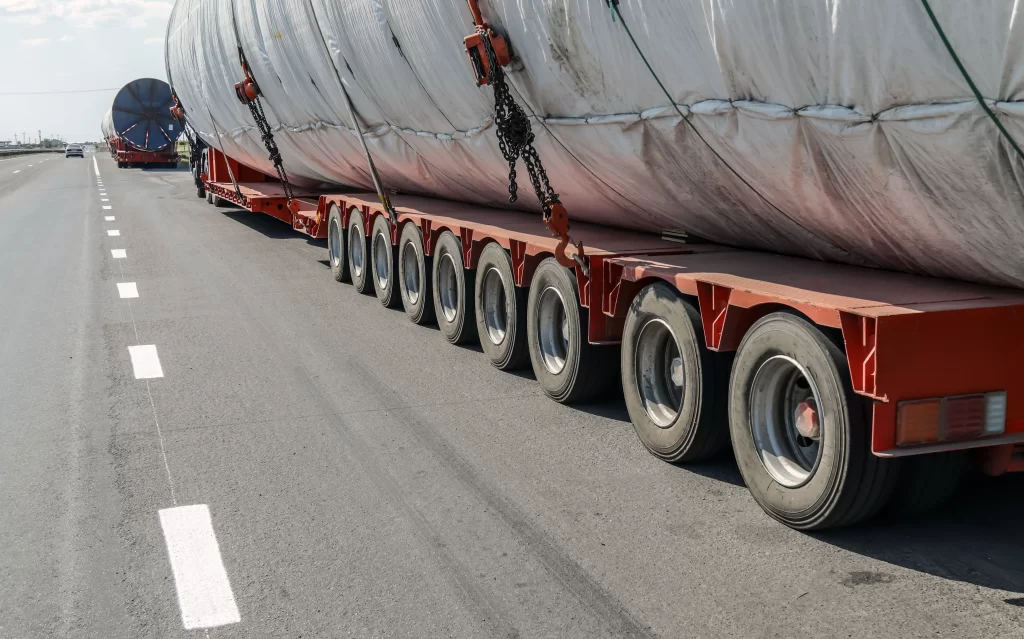
Shipping heavy or oversized cargo is not a simple cup of cake—it requires experience, the right equipment, and the right shipping company to make the process smoother and hassle-free. Getting the best heavy cargo transport company is instrumental for companies who need their product shipped safely, on time, and within budget. Your choice of transport partner impacts not just the security of your cargo, but also overall expense and productivity. With so many options available, it’s important to know what to look for before making a choice. Why Choosing the Right Heavy Cargo Transport Company Matters Overweight cargo is more susceptible to damage than standard shipments. From heavy equipment and machinery to industrial commodities, such shipments must be compliant, handled, and managed, and installed with secure safety features. The perfect transportation ally can: Avoid damage to precious cargo. Meet safety and regulatory specifications. Reduce delays and unexpected costs. Deliver door-to-door with storage and brokerage. In brief, picking the appropriate company is not so much about hauling freight—it’s about protecting your investment. Key Points to Consider when Choosing a Heavy Cargo Transport Partner  Choosing a heavy cargo transport company depends on the following points: Experience and Industry Expertise It takes a vast amount of experience after practicing years to handle heavy and lumpy consignments. Years-old mature companies with decades of experience have been able to keep pace with issues like route restrictions, weather conditions, and special care requirements. Experience keeps them away from costly mistakes and allows trouble-free delivery. Tip: Use a carrier that has successfully managed freight like yours. For example, if you are transporting construction equipment, use a partner with a past record in the same industry. Equipment and Technology The best heavy cargo transport companies use the best equipment like hydraulic trailers, cranes, and GPS. Advanced equipment provides secure handling, securing, and transportation of heavy freight. They provide real-time tracking as well, providing you with complete visibility at every stage. Good Safety Record Safety comes first at all times. A good safety record is reflective of professionalism and integrity. Ask about: Compliance with local and international safety standards. Driver and employee training. Incident and accident record. A safety track record reduces the risk and provides assurance of the safety of your freight. Insurance Coverage and Certifications Heavy cargo shipment contains valuable commodities, and therefore, it should have insurance. Professional firms offer a complete insurance facility for the protection of your goods from loss or damage. Furthermore, accreditations like ISO certifications or international logistics accreditations ensure that the firm follows industry norms. Comparing Pricing and Cargo Shipping Services Budget and cost are always a consideration, but going behind the cheapest one can sometimes backfire. Before choosing cargo shipping services from a logistics company, check for the following: Service Scope: Does the company offer loading and unloading, and storage support? Customs and Documentation: Do they include paperwork and clearing? Flexibility: Can they be configured to fit customized solutions based on cargo size and destination? Transparency: Is there an added cost like fuel surcharges or permits? It is better to choose a provider that provides end-to-end services than one that has a transportation bias. It saves hassle and is cost-effective in the long run. Common  Mistakes to Avoid When Hiring a Heavy Cargo Transport Company Most companies make mistakes when choosing a transport partner. The following are mistakes you should not make: Choosing based only on price – Reducing cost can result in compromised security or off-the-record payments. Lack of inquiry on safety records – Ignoring the safety record of a company can be dangerous. Lack of insurance check – Without insurance, you will suffer enormous losses when your goods are damaged. Skipping testimonials and reviews – Customer reviews provide you with genuine reviews on the quality of service. The wrong questions – Always inquire from them about their experience transporting similar cargo, equipment that they use, and how they are going to handle contingencies. If you stay away from all these mistakes, you will  have a smoother and safer heavy cargo shipping experience. Wrapping Up: The Importance of the Right Heavy Cargo Shipping Company Selecting the appropriate heavy cargo transport company is an investment of time, but it will pay off when it comes to safety, reliability, and cost. The best providers blend decades of trade experience with state-of-the-art equipment, top-notch safety ratings, and full-service capabilities. When shipping heavy equipment, construction materials, or specialty industrial cargo, your ideal partner ensures your freight arrives at destination safely without hassle. We at Forward Air Cargo are experts in providing tailor-made cargo services in Dubai. With decades of experience, advanced technology, and safety emphasis, we provide world-class regional heavy cargo solutions. From transporting cargo safely to warehousing and logistics services, we are door-to-door solution providers that are reliable. Contact us today to discuss your cargo requirements and we will provide you a personalized solution.✅ Additional Resource: For security standards and global cargo handling guidelines, see International Air Transport Association (IATA).

Your Guide to Hiring a Reliable Heavy Cargo Transport Company Read More »

warehouse company in Dubai

How to Reduce Operating Costs with the Best Warehouse Company in Dubai

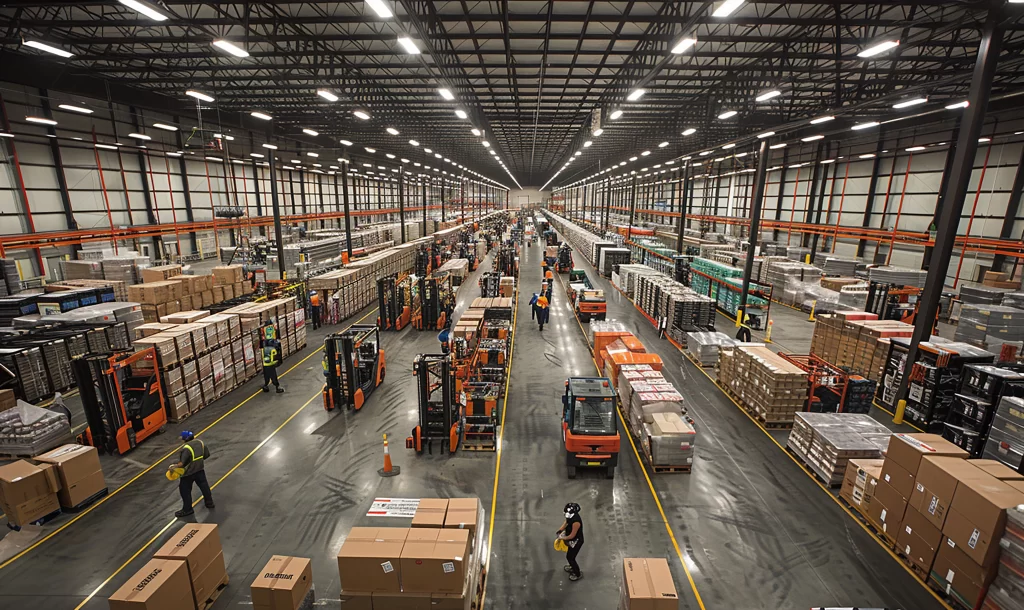
In today’s highly competitive business world, all business enterprises look forward to reducing operating costs and becoming more efficient. The largest area where the cost runs amok so rapidly is warehouse and logistics management. Uncontrolled warehouses lead to overstocking, incredibly astronomical labor cost, and a wasteful supply chain process. The good news? Having the correct warehouse company in Dubai can possibly help things go more smoothly, reduce overhead, and ultimately improve profitability. Cost control can be achieved by companies without compromising on the delivery of services by utilizing existing technology and professional warehouse services. Why the Right Warehouse Company is Important The correct warehouse firm is not looking for just space to store inventory. The right one just becomes a part of your business. Below is why it’s important: Reliability – You need a warehouse partner whom you can trust to properly handle the inventory and have it delivered on time. Technology – Top-of-the-line technologies like Warehouse Management Systems (WMS), RFID, and automatic scanners increase the precision of order handling and reduce human error. Efficiency – Dubai warehouse services that are accurate maximize the use of resources, reducing wastage and increasing order fulfillment. A good warehouse partner does more than serve your business daily; he/she also works strategically to save on cost in the long term. Best Practices the Right Warehouse Partner Saves Costs Effective Inventory Management Poor inventory control leads to overstocking, understocking, or even obsolescence. A right warehouse firm in Dubai provides: Real-time visibility to inventory. Demand forecasting software to prevent overstocking. Computerized systems in an effort to reduce man error in stock management. Efficiency of these systems keeps tied-up funds in overstock at arm’s length and are always ahead in managing customer demand. Reduced Manpower Requirements Manpower also is included in the warehousing expenses with the greatest weightage. Next-generation warehouse companies reduce dependency on manpower by: Adopting computerized picking, packing, and tracing systems. The use of barcoded scanners and WMS for speedy processing. Reduction of manual handling, thus fewer errors. It saves manpower expenses and improves productivity. We appreciate your choice of using our service. Reduced Storage Costs Leasing or building your own Dubai warehouse is expensive. By upgrading to  low-cost warehouse facilities in Dubai, businesses can benefit from: Shared or flexible storage space where you only have to pay for used space. Space-efficient storage configurations with maximum capacity and less wastage. Flexible solutions that grow with the requirements of your business, so you only pay for excess space. Enhanced Supply Chain Coordination The perfect warehouse partner combines storage with transport and logistics, so: Fewer order-delivery lead times. Fewer rush-shipping fees and fewer fines due to fewer delays. Easier coordination of customers, distributors, and suppliers. More streamlined communication and coordination across the supply chain means less operating expense and higher customer satisfaction. Key Features to Look for a Warehouse Company in Dubai Not all warehouse providers are equal. To really cut costs and gain efficiency, search for these key features when selecting your provider:  Location Benefit – Having ports, airports, and interstates close by reduces transit time and transportation expense.  High-Tech – A cutting-edge technologically advanced warehouse with WMS, real-time tracking, and automation provides accuracy and cost efficiency. Scalability – Select a company that will grow with your business without necessitating radical operational adjustments.  Flexible Pricing Models – Clear pricing with adaptable packages maintains costs predictable and affordable. By confirming that these attributes are of utmost significance, companies can be assured they are working with a warehouse firm that is not only offering them operational effectiveness but also economic value. Conclusion In a city as active and hectic as Dubai, the requirement to reduce operating costs is not just being cheap on quality—it’s making more intelligent choices. Having the ability to connect with the best warehouse company in Dubai can be the determining factor that differentiates your business. From reduced overhead on inventory management and reduced labor cost to reduced storage charges and increased supply chain integration, the right partner addresses immediate benefit and future potential. Whether it is a small firm looking for affordable warehouses in Dubai or a large firm looking for advanced warehouse solutions in Dubai, the proper choice matters. Dial us today to find affordable and expandable warehousing solutions most appropriate for your firm.

How to Reduce Operating Costs with the Best Warehouse Company in Dubai Read More »

e-commerce logistics e-commerce logistics company e-commerce logistics company in uae

How Forward Air Cargo Supports E-Commerce Businesses in the GCC

The e-commerce sector in the GCC region—specifically in the UAE has seen exponential growth in the past two years. As per this growth, there exists a requirement to have effective logistics partners who will ensure rapid, safe, and economical delivery. Forward Air Cargo, as a trusted e-commerce logistics company in UAE, plays a front-runner role in enabling this ecosystem through convenient, tailored cargo solutions. The Growing Demand for Expert E-Commerce Logistics Online shopping has revolutionized how people shop. From clothes to electronics and health supplements to food, consumers now expect speedy and transparent deliveries. This has shifted logistics from a back-end operation to the top business priority for e-commerce businesses. But sending merchandise across the GCC is not always easy. Varied customs regulations, railway and road networks, and delivery requirements are something that only those logistics providers familiar with the local environment can handle. That is where carriers like Forward Air Cargo come into play. Regional Expertise Across the GCC One of Forward Air Cargo’s strongest assets is their vast knowledge of the GCC logistics terrain. From clearing Saudi Arabian customs to timely delivery during Ramadan and Eid festivals in the UAE, our employees bring hands-on expertise to every shipment. Their lines of operation cover major cities in the GCC like: Dubai and Abu Dhabi (UAE) Riyadh and Jeddah (Saudi Arabia) Doha (Qatar) Kuwait City Muscat (Oman) Manama (Bahrain) This on-the-ground presence allows Forward Air Cargo to provide faster turnaround and better last-mile coordination. For businesses seeking a cargo service in Dubai, this localized approach ensures deliveries are made faster and with greater reliability. E-Commerce Friendly Flexible Air Freight Solutions E-commerce companies generally carry large numbers of small, varied shipments. Forward Air Cargo provides: Expedited air cargo for time-sensitive and rush orders Economy freight rates for non-time-sensitive or heavy shipments Cargo consolidation—perfect for companies shipping large quantities of small orders in one consolidation Special handling of delicate commodities, such as electronics or cosmetics Efficient Customs Clearance Among the pain points common to cross-border e-commerce in the GCC is the customs clearance. The documentation procedures may be inconsistent, and any holdup at this point can result in dissatisfied customers and lost sales. Document support and customs are provided by Forward Air Cargo to assist companies in navigating regulations and reducing delays. This proves particularly beneficial for companies exporting overseas into the UAE or GCC or outward from other GCC countries. Value-Added Services Having Impact Apart from air freight, Forward Air Cargo also offers various services focused on the e-commerce industry: Packaging solutions: Making products safe to ship and meet local regulations. Choreographed doorstep delivery: Partnering with local and reliable couriers to create and improve last-mile delivery easier and more efficient. Tracking shipments: Giving real-time visibility to businesses and customers. These additional services make logistics easy for online sellers so they can concentrate on marketing and sales while logistics go smoothly behind the scenes. Supporting Various E-Commerce Business Models GCC e-commerce is not reserved for big platforms or international brands. It encompasses: Social media sellers D2C (Direct-to-Consumer) brands Marketplace sellers Subscription box businesses Small importers and exporters Forward Air Cargo is aware of these different needs and has tailor-made shipping plans based on volume, frequency, and destination of the shipment. Their dedicated service renders us a good logistics partner for small sellers as well as big platforms. Transparency and Technology No tech can be complete without contemporary e-commerce logistics. Forward Air Cargo utilizes: Digital tracking tools, giving companies and end-consumers visibility from dispatch to delivery Data reporting, helping businesses analyze delivery performance and forecast inventory Effective communication, allowing businesses to stay up to date without having to chase updates This transparency removes suspicion and builds customer trust—two key ingredients of e-commerce success. Sustainable Logistics Practices As the logistics business continues to grow sustainably, Forward Air Cargo makes mindful efforts to reduce its carbon footprint: Maximized air routes to reduce fuel consumption Fostering consolidation of shipments as one means of lowering the carbon emissions per package Low-volume, recyclable materials for packaging wherever feasible These are just tiny steps that may not seem like much, but to companies that take pride in their carbon impact, it speaks volumes about the entire supply chain. Final Thoughts Logistics isn’t just getting packages from point to point—it’s building trust, building reliability, and enabling growth. Forward Air Cargo, as a local, responsive e-commerce logistics company in UAE, supports online businesses with shipping intricacies, reduced delayed shipment, and customer expectation fulfillment across the GCC. With our flexible freight options, customs clearance, real-time tracking, and local expertise, they’re not just a service provider anymore but a growth partner. If you’re looking for a dependable cargo service in Dubai, Forward Air Cargo is equipped to handle your e-commerce logistics with professionalism and care. Looking to expand your e-commerce business in the GCC? Discover how Forward Air Cargo can help with your shipping and delivery needs. Contact our team today.

How Forward Air Cargo Supports E-Commerce Businesses in the GCC Read More »