Uncategorized

International Shipping Company

A Guide to Shipping Oversized Cargo: Improving Efficiency While Reducing Risk

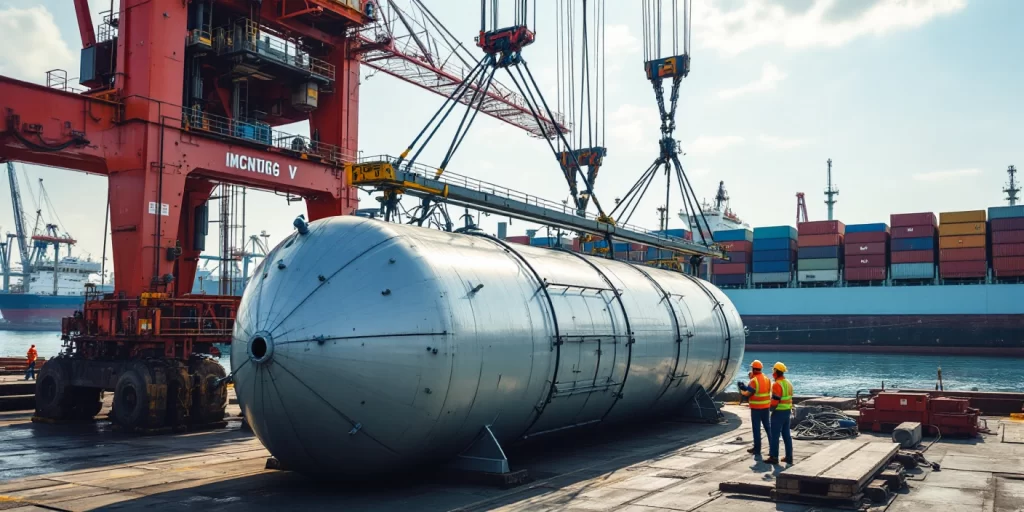
A single routing miscalculation can stall a major infrastructure project overnight. When oversized cargo such as turbines, refinery modules, or heavy construction equipment is delayed, the impact is immediate—site crews stand idle, installation windows close, and contractual penalties begin to mount. In the UAE, where large-scale energy, construction, and industrial projects move at speed, the stakes are even higher. By 2026, transporting Over-Dimensional Cargo (ODC) through Dubai and the wider UAE requires far more than physical movement. Infrastructure constraints, regulatory approvals, digital customs systems, and environmental compliance now shape how oversized cargo must be planned and executed. For businesses operating in the region, success depends on structured, engineering-led logistics supported by local regulatory knowledge and global execution capability. Oversized Cargo Is Not Conventional Freight Oversized cargo exceeds standard limits in height, width, length, or weight. Common examples in the UAE include wind turbine components, pressure vessels, transformers, desalination plant modules, oil & gas equipment, and heavy construction machinery. These shipments cannot rely on standard trucking routes or routine documentation. Every movement introduces variables that must be technically assessed—bridge load capacity, turning radii, axle distribution, port handling limits, and municipal permit restrictions. In Dubai and across the UAE, even minor oversights can escalate quickly. A misjudged clearance height or an incorrect axle-load declaration can result in forced rerouting, fines, or stoppages by transport authorities. This is why most project owners work with a qualified International shipping company that understands UAE infrastructure and regulatory expectations, rather than relying on general freight operators. The goal is not speed alone. It is controlled, predictable execution. Route Planning Begins Before Cargo Moves For oversized cargo in the UAE, the most complex work happens long before loading begins. Route surveys are essential. While digital mapping tools provide a baseline, physical inspections confirm real-world conditions. Road modifications, temporary construction, and evolving urban layouts—especially in fast-developing areas around Dubai and Abu Dhabi—can change route feasibility quickly. Field assessments typically review: Pavement and road strength Bridge load limits Vertical and lateral clearances Turning geometry at interchanges Escort vehicle and traffic control feasibility In many UAE locations, coordination with local authorities such as the RTA or municipal transport departments is required. Traffic signals may need repositioning, overhead utilities temporarily adjusted, and movements scheduled during approved night or off-peak windows. Leading providers now combine physical surveys with digital route simulations to stress-test movements before execution. A capable International shipping company treats route planning as an engineering exercise—not a paperwork step. Regulatory Layers Add Complexity in the UAE Oversized cargo movements in the UAE often cross emirate boundaries, ports, free zones, and customs jurisdictions. Each layer introduces specific regulatory requirements. Permits may define: Approved travel times Escort vehicle numbers and positioning Axle-load distribution limits Designated corridors and entry points Documentation accuracy is critical. Engineering drawings, customs declarations, insurance certificates, and transport permits must align perfectly. When cargo arrives via sea—often through Jebel Ali Port, Khalifa Port, or Fujairah—additional coordination with port authorities and maritime regulations is required. Non-alignment between customs, port operations, and inland transport approvals remains a leading cause of delay. A specialized International shipping company operating in the UAE typically manages these processes centrally to avoid fragmented compliance and last-minute interventions. Equipment Must Match Engineering Reality Equipment selection in UAE project cargo logistics is never interchangeable. Low-bed and lowboy trailers are commonly used to manage height restrictions on urban roads. Extendable trailers support long components such as structural beams or turbine blades. Multi-axle hydraulic trailers distribute extreme weight more evenly, reducing stress on roads and bridges. For ultra-heavy or sensitive modules, Self-Propelled Modular Transporters (SPMTs) are often required—particularly within ports, industrial zones, and large project sites. Incorrect equipment configuration increases risk not only to cargo but also to public infrastructure. Center-of-gravity analysis, axle spacing, and dynamic load calculations are standard considerations in UAE approvals. An experienced International shipping company evaluates these technical factors together with route and regulatory constraints before deployment. Technology Is Reshaping Risk Management While physical securement remains essential, oversized cargo movements in the UAE increasingly rely on real-time data. IoT sensors monitor tilt, vibration, and structural stress during transit. GPS tracking provides continuous visibility across ports, highways, and border points. Integrated communication systems help coordinate escorts, terminal operators, and transport teams. Early detection of instability allows corrective action before damage occurs—reducing insurance exposure and project delays. Insurance itself requires careful structuring. Standard cargo policies may not fully cover oversized or high-value project cargo. Coverage terms must reflect cargo complexity, multimodal handling, and regional risk factors. This integrated approach to risk management has become standard among experienced International shipping company partners operating in the UAE. Cost Efficiency Requires Planning Discipline Oversized cargo transport is inherently costly, but many expenses are avoidable. Dimensional surcharges, delayed permits, documentation gaps, and port demurrage frequently inflate budgets in UAE ports and terminals. In some cases, partial disassembly allows components to move via open-top or flat-rack solutions instead of full breakbulk handling—reducing freight classification and handling costs. Early customs registration and advance permit submission help prevent dwell charges, especially in high-volume ports such as Jebel Ali where time thresholds are strictly enforced. In project cargo logistics, cost control is achieved through early coordination—not reactive correction. Sustainability Is Now Operational, Not Optional Environmental accountability has become part of oversized cargo planning in the UAE. Global emissions frameworks increasingly affect maritime legs of project cargo shipments. Vessel selection, routing choices, and transit speed now influence compliance exposure and operating costs. Many breakbulk and heavy-lift carriers servicing UAE ports are transitioning toward LNG-powered or methanol-ready fleets. Sustainability decisions are no longer separate from logistics planning. They directly affect regulatory acceptance, project approvals, and long-term cost structures. Closing Perspective Oversized cargo logistics in the UAE has evolved into a highly coordinated discipline that blends engineering, regulatory planning, digital monitoring, and financial risk control. As infrastructure expansion, renewable energy projects, and industrial development continue across Dubai and the wider region, demand for controlled heavy cargo transport will only increase. Success depends on preparation, technical validation, and alignment

A Guide to Shipping Oversized Cargo: Improving Efficiency While Reducing Risk Read More »
Air Freight

How Dubai Is Redefining Global Air Freight Operations

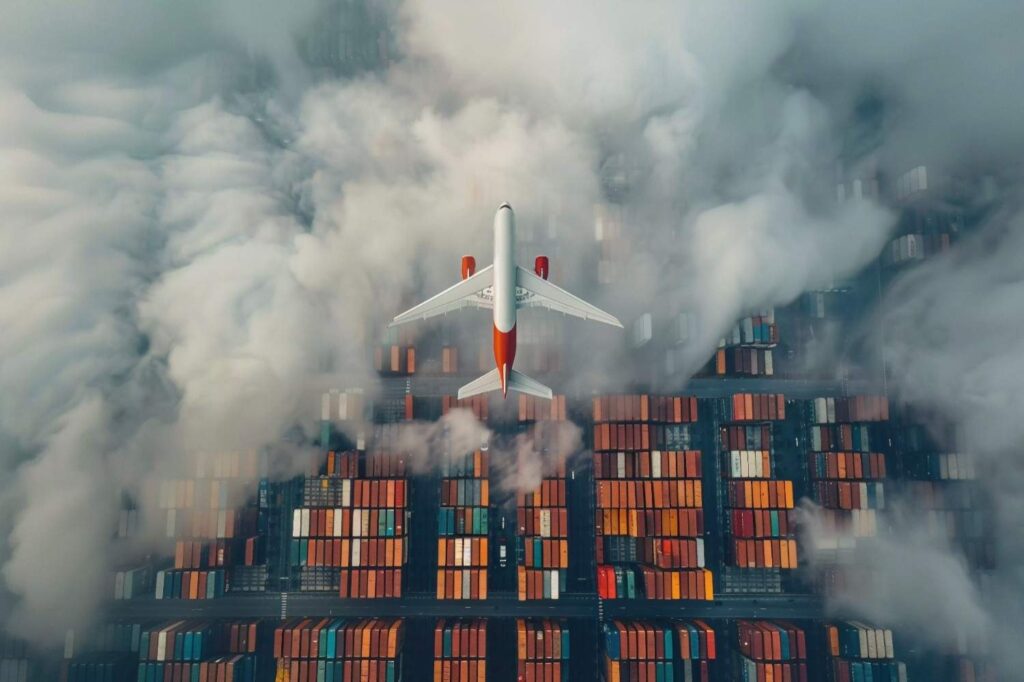
Dubai did not become a global air cargo hub overnight. Its rise is the result of long-term planning, heavy infrastructure investment, and a clear understanding of how modern supply chains actually work. In 2026, air freight in Dubai is no longer defined only by speed. It is defined by coordination, intelligence, and the ability to move cargo with precision in a complex global environment.    For businesses moving high-value, time-sensitive, or regulated goods, Dubai offers something few locations can match: an air freight ecosystem where airports, customs, technology, and multimodal transport operate as one connected system. This integrated setup is a key reason why working with an experienced Air Freight Company in Dubai has become essential for global trade operations that demand reliability. Two Airports, One Integrated Cargo Network Dubai’s air cargo strength rests on a dual-airport model that functions as a single logistics platform rather than two separate facilities.   Dubai International Airport is optimised for fast-moving, high-value shipments. Its cargo operations are built around rapid turnaround, making it a preferred gateway for express freight, pharmaceuticals, electronics, and premium goods that cannot afford long dwell times. Al Maktoum International Airport plays a different but equally important role. Designed for long-term scalability, DWC anchors Dubai South and is being developed to handle cargo volumes that far exceed traditional airport limits. Warehousing, logistics parks, and runways are physically aligned, allowing cargo to move from aircraft to storage or onward transport with minimal delay.    Together, these airports give operators flexibility. Cargo can be routed based on urgency, size, and handling needs rather than being forced through a single bottleneck—an advantage that experienced Air Freight Company in Dubai operators leverage to optimise transit time and capacity planning.    Where Air and Sea Actually Work Together One of Dubai’s lesser-known strengths is how efficiently it connects air freight with maritime logistics. A bonded logistics corridor links the airports with Jebel Ali Port, allowing cargo to move between sea and air within hours. This has made Dubai a leader in sea–air shipping models. Goods arriving by sea from Asia can be transferred to air freight for onward delivery to Europe or Africa, striking a balance between cost and speed. For many traders, this approach has become a practical alternative to pure air freight without accepting the long timelines of ocean shipping.    Within this setup, air freight services in Dubai are not isolated offerings but part of a wider transport strategy that adapts to real-world supply chain pressures, especially when managed through a capable Air Freight Company in Dubai that understands both air and sea coordination. Technology That Reduces Friction, Not Just Paperwork Dubai’s air freight operations rely heavily on automation and data intelligence, but the real value lies in how these tools are applied. Cargo terminals now use automated handling systems and robotics to reduce manual intervention. This improves accuracy and helps maintain consistent performance even during peak demand periods. At the same time, digital customs platforms and blockchain-backed documentation have removed much of the repetition that once slowed clearance. AI-driven risk assessment tools analyse shipment data before cargo arrives, identifying inconsistencies early. Instead of delays at the terminal, corrections happen upstream. This shift has changed the nature of air freight operations from reactive problem-solving to controlled, predictable movement. Built for Cargo That Cannot Fail Dubai’s air freight ecosystem has been shaped by industries where mistakes are costly. Pharmaceutical logistics is a clear example. Temperature-sensitive medicines, vaccines, and clinical materials move through tightly controlled corridors monitored by IoT sensors that track conditions in real time. Aerospace and engineering cargo follows similar precision standards. Aircraft engines, urgent spare parts, and AOG shipments are handled through priority workflows designed to reduce downtime. These capabilities are not add-ons; they are embedded into how air cargo is planned and executed. This focus on specialised handling explains why Dubai continues to attract complex cargo that other hubs struggle to manage consistently. Planning Ahead Instead of Reacting Late One of the more subtle changes in Dubai’s air freight operations is how planning has evolved. Digital twins and predictive analytics are now used to model disruptions before they happen. Logistics teams can test scenarios such as route closures, demand surges, or capacity shortages without exposing live cargo to risk. Combined with near-universal digital documentation, this approach improves decision-making across the supply chain. Fewer assumptions are needed, and fewer surprises occur once cargo is already in motion. Sustainability and the Next Phase of Air Cargo Environmental performance has become a core consideration rather than a future goal. Dubai has moved from pilot projects to implementation, introducing solar-powered facilities, electric ground equipment, and hydrogen-powered vehicles within air cargo zones. At the same time, autonomous cargo aircraft and drone logistics are being evaluated for specific use cases, particularly urgent middle-mile and medical deliveries. These developments are not replacing conventional air freight but complementing it, creating new options for time-critical shipments. Why Dubai’s Model Continues to Stand Out Dubai’s approach to air freight works because it treats logistics as a system, not a collection of services. Airports, customs, technology, ports, and road networks are aligned around speed, reliability, and compliance. For global businesses, this means fewer handovers, clearer accountability, and greater control over delivery timelines. As supply chains become more sensitive to disruption, these factors matter as much as transit time itself. Final Thoughts Dubai has turned air freight into something more than fast transport. It has created an environment where cargo moves with clarity, foresight, and resilience. From dual-hub infrastructure to intelligent customs processes and specialised handling, every layer is designed to reduce uncertainty. As global trade continues to demand speed without sacrificing control, Dubai’s air freight ecosystem offers a model that balances both. For businesses that depend on precision and predictability, this “cargo in the clouds” approach is not just impressive—it is increasingly essential.

How Dubai Is Redefining Global Air Freight Operations Read More »

Customs Clearance

Major Customs Clearance Risks for Traders and How to Minimise Delays and Penalties

Customs clearance has quietly become one of the biggest risk points in international trade. In 2026, delays at customs are rarely caused by congestion alone. More often, they come from data issues, classification errors, or mismatches between systems that no longer tolerate approximation. For traders operating through the UAE, customs processes are faster than many regions—but also far less forgiving. Automation, AI-based profiling, and strict regulatory alignment mean that even small inconsistencies can stop cargo from moving. This makes a clear understanding of risks essential, especially when relying on customs clearance services in Dubai to keep shipments on schedule. Documentation Errors Still Create the Most Problems Despite advanced platforms and paperless systems, documentation errors remain the leading cause of clearance delays. Missing details, unclear product descriptions, or inconsistencies between invoices and packing lists often trigger manual review. The shift to the 12-digit HS code system has added further pressure. Traders who rely on outdated classifications or reuse old templates now face automatic rejection by customs systems. One incorrect digit is enough to block a declaration or attract penalties. In practice, these issues lead to extended port stays, amendment fines, and storage costs that grow daily. Effective customs clearance services in Dubai now focus heavily on verification before submission, not after a problem appears. Digital Risk Profiling Has Changed Trader Visibility Customs enforcement in Dubai is no longer reactive. AI-driven risk engines assess shipment data before cargo reaches the port. Traders with frequent declaration changes, repeated corrections, or valuation inconsistencies are flagged automatically. Once a company enters a higher risk category, clearance times increase. Shipments are more likely to be routed for inspection, even if the goods themselves are routine. Recovering a low-risk profile takes consistent compliance over time. This shift has changed how experienced customs clearance services in Dubai operate. The goal is no longer just clearance—it is protecting the trader’s long-term compliance profile. Valuation and VAT Alignment Is Under Stronger Scrutiny Customs valuation is now closely linked with tax reporting. From 2026, UAE customs data is actively cross-checked with VAT filings. Declared values must include all cost elements, including freight, insurance, and handling charges. When declared customs values differ from VAT input claims, audits follow. In some cases, VAT recovery may be delayed or denied entirely. Valuation errors also risk investigation by the Special Valuation Branch, where penalties can be severe. Many of these problems arise internally, not at customs. When finance, logistics, and compliance teams work in silos, inconsistencies appear. Coordinated handling through structured customs clearance services in Dubai helps close these gaps before declarations are filed. Free Zone Movements Are Being Examined More Closely Free Zones remain a major advantage for UAE traders, but enforcement around Free Zone–mainland movements has tightened. Authorities are paying close attention to internal consumption, wastage, and stock reconciliation. If duty-free goods imported into a Free Zone cannot be clearly accounted for, penalties can apply—even without intent to evade duties. Audits increasingly request proof that goods were exported, destroyed, or properly cleared for local use. Maintaining clean records has become as important as moving cargo itself. Many businesses now depend on customs clearance services in Dubai to keep documentation audit-ready at all times. Sustainability and Trade Policy Risks Are No Longer Optional Environmental compliance is now part of customs clearance. For exports to regulated markets, carbon declarations and sustainability data are mandatory. Missing or incomplete information can stop shipments at destination ports. At the same time, tariff structures continue to shift due to geopolitical changes. Sudden duty increases or new non-tariff barriers are becoming more common. Traders who monitor updates and prepare documentation early are far less exposed to disruption. This evolving environment has made experienced customs clearance services in Dubai a strategic requirement rather than a support function. Practical Ways Traders Can Reduce Delays Early declaration submission allows errors to be corrected without penalties. Regular HS code reviews prevent outdated classifications. Consistency between customs documents and tax records reduces audit exposure. Most importantly, working with licensed and experienced professionals ensures compliance is proactive, not reactive. Well-managed customs clearance services  traders move goods smoothly while protecting long-term operational credibility. Final Thoughts Customs clearance today is not just about releasing cargo. It directly affects cost control, delivery reliability, and business reputation. A single error can disrupt entire supply chains and damage client confidence. For traders operating in the UAE, success depends on accuracy, preparation, and alignment with digital enforcement systems. Reliable customs clearance services in Dubai help businesses navigate these risks, reduce delays, and avoid penalties that can quietly erode profitability. In 2026, compliance is not merely a requirement. It is a competitive advantage that separates smooth operations from constant disruption.

Major Customs Clearance Risks for Traders and How to Minimise Delays and Penalties Read More »

Sea Cargo Service

How to Choose the Right Sea Cargo Service for Smooth and Reliable Shipping

Sea freight continues to move the majority of global trade, but by 2026, choosing a sea cargo partner is no longer a straightforward decision. The industry has changed. Digital systems now shape how cargo is tracked, environmental rules affect routing and vessel choices, and global trade routes are less predictable than they once were—particularly for businesses operating through the UAE. For companies shipping internationally, selecting the right Cargo services by sea requires more than comparing transit times or headline freight rates. The right choice often determines whether cargo moves smoothly or becomes stuck in delays, unexpected charges, or compliance issues that affect the entire supply chain. Start With a Clear Understanding of the Cargo  Before reviewing service providers, it is important to understand the nature of the shipment itself. Not all cargo behaves the same at sea. General container cargo, bulk materials, refrigerated goods, oversized machinery, and hazardous products each come with different risks, handling needs, and regulatory requirements. Shipment size, cargo value, urgency, and destination all influence which Cargo services by sea are suitable. Choosing a provider based only on price can create problems later, especially when cargo requires specific stowage, temperature control, or special documentation. Clear cargo planning also helps define priorities. Some shipments demand speed, others focus on cost efficiency, while high-value cargo requires maximum protection. Matching the service to the actual shipment needs leads to more consistent outcomes. Pay Attention to Digital Tools and Visibility Sea freight operations in 2026 are driven by data. The UAE has invested heavily in smart logistics infrastructure, and service providers are expected to operate at the same level. Reliable operators now offer digital tracking tools that show container movement across ports and transit points in near real time. This level of visibility allows businesses to plan downstream operations with more confidence instead of relying on manual updates or delayed status reports. Many Cargo services by sea operating from the UAE are integrated with platforms. These systems improve coordination between ports, terminals, vessels, and inland transport, reducing miscommunication and administrative delays. Predictive tools that anticipate congestion or routing disruptions also play a growing role in keeping shipments on schedule. Compliance and Sustainability Are No Longer Optional Regulatory requirements have tightened across global trade lanes. Environmental compliance and accurate customs reporting are now critical factors, especially for exporters supplying regulated markets. By 2026, businesses must consider whether their shipping partners can meet: IMO decarbonisation requirements Carbon reporting obligations, such as CBAM Paperless documentation standards Fuel efficiency and emissions transparency Choosing Cargo services by sea that are prepared for these requirements reduces the risk of penalties, shipment holds, or last-minute compliance corrections that can delay delivery. Look at the Total Cost, Not Just the Quoted Rate Freight rates rarely tell the full story. Fuel adjustments, terminal handling charges, seasonal premiums, and currency fluctuations all affect final shipping costs. Best practice involves reviewing itemised quotations and understanding how pricing behaves throughout the year. Many UAE exporters now use index-linked pricing models tied to global freight indices to avoid locking into unfavourable rates during volatile market periods. Container utilisation also affects cost efficiency. Proper packing, weight distribution, and pallet planning can reduce the cost per unit when using Cargo services by sea, especially for high-volume shipments. Choose the Right Port for the Shipment The UAE offers multiple advanced ports, but each serves different operational needs. Selecting the most suitable port depends on cargo type, destination, and transit priorities. Jebel Ali Port remains the main gateway for large-scale container trade with extensive global connectivity. Khalifa Port continues to attract industrial and manufacturing cargo due to its modern infrastructure and integrated logistics zones. Fujairah Port offers flexibility for routes affected by regional congestion, while Khorfakkan Port provides direct access to major east–west trade lanes. Strategic port selection can reduce handling risks, shorten transit time, and improve reliability when working with Cargo services by sea. Insurance and Risk Planning Matter More Than Expected Even well-planned shipments face risks at sea. Weather conditions, port congestion, and handling incidents cannot be fully eliminated. Businesses should review insurance coverage carefully rather than relying on basic carrier liability. A dependable service provider explains coverage limits clearly and aligns insurance options with the actual cargo value. This is particularly important for fragile, high-value, or project-related shipments where losses can have serious financial consequences. Build Flexibility Into the Shipping Plan Global shipping conditions remain unpredictable. Route diversions, slow-steaming practices, and geopolitical disruptions continue to affect transit schedules. Experienced Cargo services by sea help businesses plan buffer timelines, diversify routing options, and secure space well in advance—especially during peak seasons such as the Chinese New Year or year-end demand periods. Allowing extra lead time is no longer excessive caution; it is a realistic approach to protecting delivery commitments. Final Thoughts Choosing the right sea cargo partner in 2026 involves more than moving containers between ports. Visibility, compliance readiness, cost transparency, and operational flexibility now define reliable sea freight operations. For businesses operating from the UAE, working with the best freight forwarders in Dubai that understand digital logistics systems, evolving regulations, and regional port dynamics helps reduce risk and improve consistency. Careful planning and informed service selection ensure sea freight remains a dependable foundation for international trade, even as global shipping conditions continue to evolve.

How to Choose the Right Sea Cargo Service for Smooth and Reliable Shipping Read More »

Project Cargo Shipping Project Cargo Shipping from UAE

Project Cargo Shipping from UAE: What Businesses Should Know

Moving oversized, heavy, or high-value equipment? It’s never simple. There’s no standard playbook, no universal checklist that somehow covers every scenario. Each move demands its own planning, real technical know-how, and coordination between stakeholders who all need to be clear on what success looks like—and what failure costs. Project Cargo Shipping from the UAE isn’t just another logistics category. For industries where precision and timing make the difference between projects succeeding or collapsing under their own weight, getting this right matters enormously. The UAE didn’t stumble into becoming a preferred hub for complex cargo. Sure, location helps—sitting between Asia, Europe, and Africa creates natural routing advantages competitors can’t replicate. But location alone doesn’t explain it. There’s infrastructure genuinely built to handle unusual cargo that breaks standard shipping assumptions. There’s a regulatory environment that actually adapts to what modern trade requires instead of clinging to outdated frameworks. For businesses working in energy, construction, or industrial development, understanding how project cargo operates here can’t be something figured out mid-crisis when equipment is already sitting at the port. Why the UAE Works When Other Options Don’t Geography handed the UAE an advantage nobody can copy. Being positioned where three continents meet means access to major trade routes without forcing cargo through convoluted detours, adding days or weeks to schedules. When moving heavy equipment across vast distances, those shortcuts matter more than most people realize until they’re comparing transit times and costs. Jebel Ali and Khalifa Port aren’t just big facilities with lots of space—they’re engineered specifically for non-standard cargo demanding equipment most ports don’t keep on hand. Al Maktoum International Airport offers similar specialized capabilities for air freight, though obviously, weight and size limits apply differently when things need to fly. Here’s what genuinely distinguishes the UAE, though: different transport modes actually work together instead of existing as separate operations that barely acknowledge each other’s existence. Heavy-lift vessels, Ro-Ro services, chartered aircraft, specialized road trailers—these connect with relatively few friction points for Project Cargo Shipping that almost never relies on just one transport method. Fewer handover points mean fewer opportunities for miscommunication, damage, or delays. Better schedule control means projects don’t get derailed because equipment is stuck somewhere in the logistics chain while everyone points fingers about whose responsibility it is. Regulatory Requirements That Catch People Off Guard Shipping project cargo through the UAE requires strict compliance with both local and international regulations. No shortcuts, no “close enough” approaches. Standard documents—commercial invoices, detailed packing lists, bills of lading, air waybills—remain absolutely essential. Recent regulatory changes have cranked up the importance of getting details right the first time, though. The UAE rolled out a transition to 12-digit Harmonized System codes in 2025, expanding how tariffs get classified and reducing room for interpretation in cargo declarations. This hits heavy machinery and industrial components particularly hard. Classification errors don’t just slow things down a bit—they trigger holdups that cascade through project timelines while everyone scrambles to fix paperwork that should’ve been correct from the start. Then there’s the mandatory Maritime Preload Cargo Information filing. Shipping instructions now need submission well before vessels depart, especially for complex Project Cargo Shipping involving multiple transport legs or transshipment through different facilities. Getting this done early isn’t optional anymore—it’s the difference between smooth operations and “No Doc, No Load” situations that literally halt projects while documentation gets sorted. That kind of delay doesn’t just cost money; it destroys credibility with clients who scheduled entire work programs around equipment arriving when promised. Infrastructure Developments That Actually Matter The UAE keeps pouring investment into infrastructure supporting large-scale logistics. Etihad Rail’s freight network continues expanding—should cover substantially more territory by late 2025—offering real alternatives for moving heavy components across emirates and into neighboring GCC markets. Rail makes tremendous sense for oversized loads that turn into logistical nightmares when moved by truck through congested urban areas or narrow roads never designed for equipment that size. Ports are going greener with solar power and electric handling equipment. Environmental benefits aside, these upgrades often bring improved operational efficiency that benefits shippers directly through faster turnaround times. Customs processes are shifting toward risk-based digital systems, allowing pre-clearance for approved cargo and cutting port dwell time for shipments that don’t raise flags. Less time sitting at the port means faster project progression and lower storage costs. These improvements strengthen capacity for Project Cargo Shipping exactly when demand is climbing, thanks to initiatives like Operation 300bn, which aims to dramatically expand industrial output and infrastructure development across the UAE over the coming years. Industries Where Project Cargo Isn’t Optional Several sectors absolutely depend on robust project logistics. Oil and gas operations regularly move drilling rigs weighing hundreds of tons, compressors the size of small buildings, and pipeline sections stretching dozens of meters. Renewable energy projects need to transport wind turbine blades exceeding 70 meters—picture trying to maneuver something longer than two semi-trucks end-to-end through port facilities and then overland to installation sites. Solar farms need transformers and equipment that can’t be disassembled. Construction projects depend on heavy machinery and prefabricated modules arriving precisely when scheduled. Delays in any of these scenarios cost way more than just the obvious expenses. They stall entire projects where dozens of other work streams are choreographed around that specific equipment, showing up on time. Damage during transport? Catastrophic, because replacement lead times for specialized industrial equipment frequently run three to six months minimum. That kind of setback can completely wreck project economics and contractual commitments. Route surveys, engineering studies, detailed risk assessments—these aren’t bureaucratic busywork. They’re fundamental requirements separating successful moves from expensive disasters that end up as cautionary tales. Oversized loads need road permits, escort vehicles, sometimes temporary infrastructure modifications like removing overhead signs or traffic signals, and constant coordination with transport authorities. These requirements exist to prevent accidents, avoid damaging public infrastructure, and keep projects from turning into regulatory nightmares or safety incidents. Working With Partners Who’ve Actually Handled This Before Successful project moves need more than just vessels and equipment

Project Cargo Shipping from UAE: What Businesses Should Know Read More »

Port-to-Port Cargo Services

Best Port-to-Port Cargo Services in UAE for International Shipping

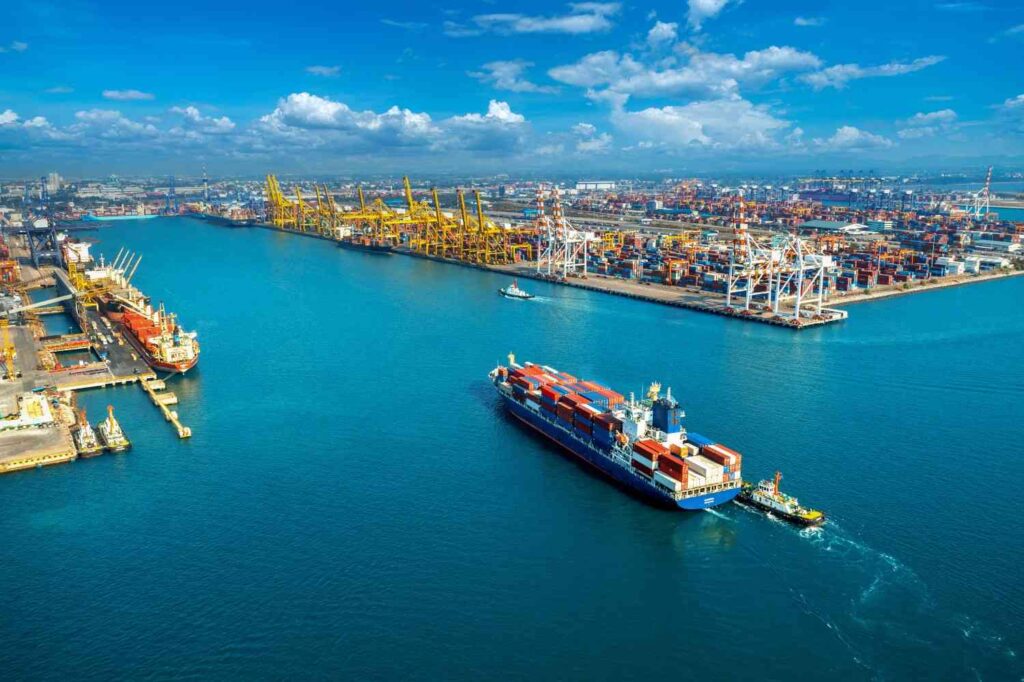
The UAE has carved out a solid reputation as one of the most reliable gateways for international trade. Located between Asia, Europe, and Africa with advanced port infrastructure and strong global ties, the country sits at the heart of modern supply chains. Port-to-Port Cargo Services have become crucial for businesses chasing efficient, cost-controlled, and international cargo movement. Unlike door-to-door logistics, port-to-port shipping zeroes in on moving cargo strictly between origin and destination ports. Exporters, importers, freight forwarders, and industrial traders lean toward this approach when they want tighter control over inland transportation while counting on stable ocean freight networks for the international stretch. Why Port-to-Port Shipping Matters Here The UAE pushes through more than 25 million TEUs annually, powered by world-class ports like Jebel Ali Port and Khalifa Port. These facilities churn through high container volumes, industrial cargo, and time-sensitive international shipments with impressive efficiency and consistency. Global supply chains keep shifting in 2025, and choosing the right Port-to-Port Cargo Services in Dubai has turned into a strategic move. Port-to-port shipping opens up space for businesses to fine-tune routes, keep costs visible, and tap into a broad selection of global carriers. Whether moving Full Container Load (FCL) or Less-than-Container Load (LCL), this method hands businesses better control over schedules, handling, and coordination at the other end. Global Carrier Networks Powering UAE Ports International port-to-port shipping from the UAE runs on massive global carrier networks working through key hubs like Jebel Ali, Khalifa Port, Khorfakkan, and Fujairah. These networks pump out structured sailing schedules, wide geographic reach, and dependable vessel capacity across major trade lanes worldwide. This web of connectivity keeps UAE ports tied—both directly and through connections—to hundreds of destinations spanning Asia, Europe, Africa, and the Americas. Frequent sailing schedules and multiple routing options give shippers room to juggle transit time, cost, and reliability based on cargo type and where it needs to land. Modern vessel fleets combined with digital tracking systems and smart routing push port-to-port cargo movement forward. These tools slash delays caused by congestion, seasonal demand surges, or route disruptions, forming the operational core of Port-to-Port Cargo Services for heavy-duty and time-pressed shipments. Strategic Ports Driving International Movement Choosing the right port carries as much weight as picking the carrier—each UAE port brings something specific to the table, depending on cargo type and where it’s headed. Jebel Ali Port remains the region’s biggest man-made harbour, linking to over 180 ports spanning six continents. It’s the default choice for high-volume containerised cargo and global trade lanes. Khalifa Port in Abu Dhabi has evolved into a heavily automated logistics centre, posting strong throughput gains in 2025. Its sophisticated handling systems and tracking tech make it especially well-suited for industrial, project, and manufacturing cargo. Fujairah Port, sitting outside the Strait of Hormuz, gives shippers a smart backup option for bulk cargo and shipments needing route flexibility when regional bottlenecks crop up. Khorfakkan Port delivers direct ocean access on major East-West trade routes, letting vessels trim transit time by bypassing the Arabian Gulf completely. These ports working together cement the UAE’s spot as a global powerhouse in Port-to-Port Cargo Services. Industry Shifts Reshaping Port-to-Port Shipping in 2025 Several big changes are rewriting how international shipping operates from the UAE. Shipping alliances got restructured early in 2025, messing with vessel schedules and route availability. Businesses leaning on port-to-port shipping now have to watch carrier networks and schedule reliability more carefully. Digitalisation keeps gaining speed across the sector. AI-powered platforms, real-time IoT tracking, and instant rate calculators are cutting documentation delays and boosting shipment visibility from origin port straight through to destination. The UAE rolled out regulatory updates in 2025 focused on modernising maritime operations, ramping up safety standards, and strengthening environmental rules. These moves make international port-to-port cargo movement run smoothly and more transparently. Cost optimisation has improved noticeably, too. Tech-driven freight solutions now serve up more transparent pricing structures, pushing Port-to-Port Cargo Services within reach of mid-sized exporters alongside big players. Picking the Right Port-to-Port Cargo Partner Selecting the right service partner demands some homework. Shippers need to sort out whether FCL or LCL shipping matches their situation, check how well the provider knows destination-country regulations, and confirm they deliver real-time tracking and reporting. Tight documentation management and customs know-how at both origin and destination ports remain absolutely critical for dodging delays and surprise costs. A solid partner keeps cargo services in Dubai moving efficiently between ports, trimming dwell time and operational risk—the real essence of effective Port-to-Port Cargo Services. Final thoughts The UAE’s international shipping landscape in 2025 runs on scale, cutting-edge technology, and strategic global connections. Backed by top-tier ports, robust carrier networks, and seasoned logistics pros, the country delivers some of the most reliable Port-to-Port Cargo Services for international trade. For businesses zeroing in on efficiency, cost control, and global reach, port-to-port shipping from the UAE stays practical and future-ready. Grasping port capabilities, carrier networks, and evolving industry patterns matters for making sharp logistics calls and staying competitive globally. Working with an experienced and well-aligned freight forwarding company in Dubai carries equal importance in this environment. In the UAE, companies like Forwardair Cargo have built recognition within the industry for their structured take on international freight handling. As a verified member of the DF Alliance, Forwardair Cargo operates inside a global network of accredited logistics partners, backing up reliability, compliance, and international operational standards. These connections add confidence for businesses hunting for consistent and professionally managed port-to-port cargo movement.

Best Port-to-Port Cargo Services in UAE for International Shipping Read More »

RORO vs Container Shipping RORO vs Container

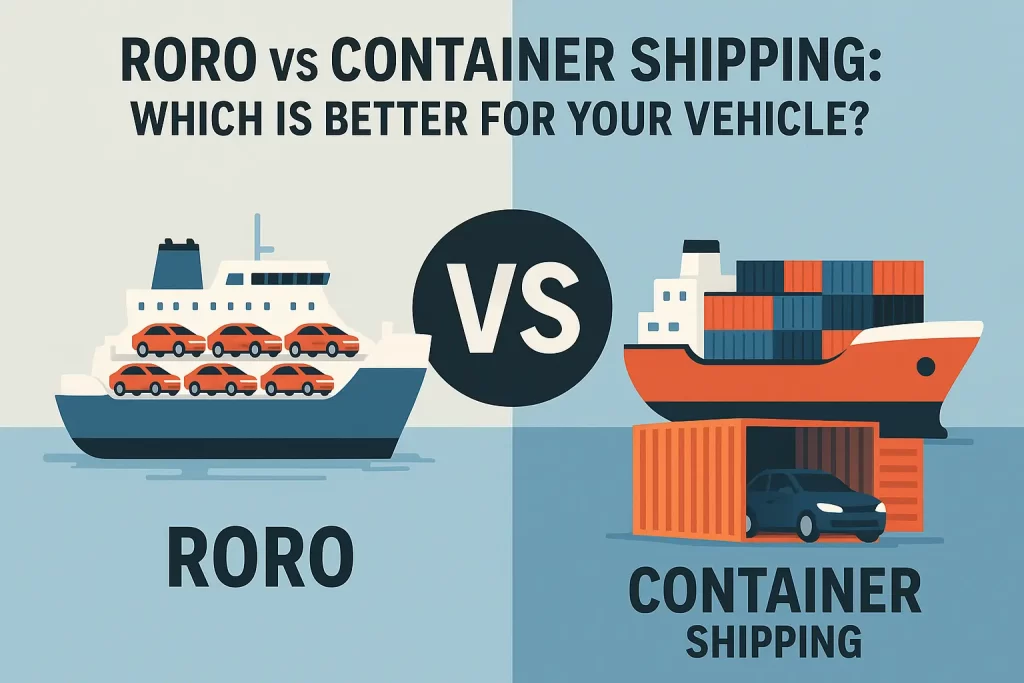
RORO vs Container Shipping: Which Is Better for Your Vehicle?

Shipping a vehicle across borders involves more than just moving metal from point A to point B. Trust, timing, safety, and cost all come into play. Whether it’s a family car being relocated, a luxury vehicle heading to a showroom, or a fleet of commercial vehicles moving for resale, the shipping method makes a massive difference in how smoothly everything goes. Two options dominate the vehicle shipping world: Roll-On/Roll-Off (RORO) and container shipping. Each has distinct strengths, clear limitations, and situations where it shines. For anyone working with a cargo service in Dubai, understanding these differences can prevent costly mistakes and a lot of unnecessary headaches. Dubai sits at the heart of global logistics, with thousands of vehicles passing through its ports every month. Automobile dealers, exporters, private owners, and collectors all face the same decision: which method protects their vehicle better while meeting budget and timing requirements? What RORO Shipping Actually Means RORO shipping works exactly how it sounds—vehicles roll on and roll off the vessel using built-in ramps. Inside, the ship operates like a massive floating parking garage with multiple secured decks. Vehicles get firmly lashed down for the voyage. This method handles standard cars, SUVs, trucks, buses, agricultural equipment, and construction machinery without breaking a sweat.  The appeal of RORO comes down to cost efficiency and speed. No container packing required. No crane lifting is involved. Vehicles drive on under their own power, which makes loading and unloading dramatically faster at both ends. For dealerships importing in bulk or fleet operators managing dozens of vehicles at once, RORO offers a fast-moving, budget-friendly solution that’s hard to beat. But RORO does have its trade-offs. Vehicles sit inside the open decks of the vessel rather than being sealed in a container. Modern RORO ships provide solid weather protection, but minor cosmetic risks during port handling still exist. Another critical requirement: the vehicle must be fully operational. If it won’t start or can’t move on its own, RORO isn’t an option. Personal belongings inside the vehicle aren’t allowed either, and only specialised ports can handle RORO vessels. How Container Shipping Works Container shipping takes a different approach entirely. The vehicle gets positioned inside a steel container—usually 20 or 40 feet long—strapped down securely, then sealed before being lifted onto a vessel using cranes. Throughout the entire journey, it stays protected inside that closed unit. Protection is container shipping’s biggest selling point. The vehicle stays shielded from dust, weather, saltwater exposure, and any port-side movement that could cause damage. Security runs higher, too, because the container gets sealed, reducing tampering risks significantly. Flexibility is another major advantage—container shipping allows spare parts, household goods, or personal items to travel with the car when regulations permit. It’s also the only workable option for non-running vehicles, classic restorations, and rare collectibles. The main drawback? Higher costs and a slightly more involved logistics process. Container loading, inspection, and crane handling all add to the price tag. Transit time can vary depending on consolidation schedules. Even so, for high-value cars or sensitive shipments, container shipping remains the safer long-term bet. Dubai’s Unique Vehicle Shipping Landscape Dubai’s vehicle shipping market operates differently from most global markets. It handles both massive commercial trade volumes and a thriving luxury automotive segment. Mass-market vehicles constantly flow in for resale across the GCC, Africa, and Asia, while high-end supercars, luxury sedans, and collectible classics dominate the premium shipping space. Dealerships, exporters, and bulk importers using a cargo service in Dubai typically prefer RORO for its fast turnaround and lower per-unit shipping cost. On the flip side, luxury car owners, collectors, and people relocating often choose container shipping for maximum safety and peace of mind, even when it costs more. Vehicle Condition Makes or Breaks the Decision One of the biggest deciding factors between RORO and container shipping comes down to whether the vehicle actually runs. RORO shipping strictly requires the car to start, move, and brake properly so it can drive on and off the vessel under its own power. Container shipping has no such requirement and handles non-running cars, damaged vehicles, restoration projects, and vintage collectibles without issue. Cargo flexibility creates another clear divide. RORO shipping doesn’t allow personal items inside the vehicle. Container shipping does—spare parts, tools, and household goods can travel together with the car when permitted. This makes container shipping especially convenient for people relocating to or from Dubai with personal belongings. Protection, Insurance, and Managing Risk Insurance coverage works differently between the two methods. RORO insurance often covers only major damage or total loss scenarios. For expensive vehicles, this level of coverage may not feel adequate. Container shipping usually offers broader insurance options with itemised protection that better suits luxury, rare, or modified vehicles. Dubai’s hot, dusty, and humid climate adds another layer to consider. Container shipping reduces long-term exposure risks like corrosion, interior fading, and dust buildup during extended journeys. For clients using a cargo service in Dubai to ship premium vehicles, this extra protection often becomes the deciding factor. Port Availability and Routing Flexibility RORO vessels only operate through specialised ports equipped with advanced ramp systems and rolling decks. Container shipping, however, works through almost every major commercial port worldwide. This makes routing more flexible, especially when origin or destination locations don’t support RORO infrastructure. Dubai’s ports handle both methods efficiently, but availability still depends on shipping line schedules, destination country facilities, and seasonal demand. Route planning often matters just as much as the shipping method itself. Making the Right Call Choosing between RORO and container shipping isn’t about which method is objectively better. It’s about which one aligns with budget constraints, vehicle condition, delivery expectations, and comfort with risk. RORO shipping works best for standard, roadworthy vehicles when speed and cost savings top the priority list. Container shipping fits luxury cars, non-running vehicles, restorations, and situations demanding maximum protection and flexibility. Before confirming any shipment through a cargo service in Dubai, comparing full door-to-door pricing, transit time, insurance coverage, customs requirements, and

RORO vs Container Shipping: Which Is Better for Your Vehicle? Read More »

Luxury Car Shipping in Dubai: The Importance of Proper Vehicle Preparation

Shipping a luxury vehicle to or from Dubai? It’s not your everyday cargo move. When someone’s transporting a Bentley or Ferrari, there’s a lot more at stake than just getting from point A to point B. And here’s the thing most people learn the hard way: almost every shipping headache could’ve been avoided with better preparation. The UAE doesn’t take vehicle imports lightly, and honestly, that’s probably a good thing. But it does mean owners need to do their homework before their prized car goes anywhere near a shipping container. Let’s break down what actually matters and why cutting corners usually backfires. Dubai’s Import Rules: Stricter Than You’d Think The UAE has built a reputation for luxury, but that doesn’t mean they’re relaxed about what vehicles can enter the country. Plenty of expensive cars have sat in customs limbo because someone assumed the process would be straightforward. GCC specifications aren’t optional. Every vehicle must meet the Gulf Cooperation Council’s safety and emissions standards. Customs officials actually verify this stuff—it’s not buried in fine print somewhere. Only left-hand drive vehicles are allowed. This surprises quite a few people, especially those shipping from right-hand drive markets like the UK or Japan. Dubai’s roads only accommodate LHD cars, period. Age restrictions. Most imported vehicles need to be under 10 years old. Classic car enthusiasts can sometimes get exceptions, but that requires jumping through RTA approval hoops. RTA inspections happen to every imported car. Once the vehicle arrives, it goes through a mandatory technical inspection. These aren’t rubber-stamp affairs either—they’re detailed checks to confirm everything meets local standards. Skip any of these steps, and the consequences range from annoying delays to outright rejection at customs. Not exactly how anyone pictures their luxury car’s arrival. Documentation: The Boring Part That Actually Matters Most Nobody enjoys paperwork. But when it comes to luxury car shipping in Dubai, incomplete documentation causes more problems than anything else. Getting this sorted up front saves weeks of frustration later. The essentials before shipping include: Valid identification: Emirates ID or passport with current visa Proof of ownership: Original vehicle title, purchase invoice, registration documents Shipping paperwork: Bill of Lading, export certificate, customs declaration forms Import permits: Some vehicle types need approval from the Ministry of Economy Proper insurance coverage: All-risk transport insurance isn’t where to save money—these are valuable assets that deserve full protection Think of documentation as the vehicle’s travel papers. Without everything in order, cars either don’t ship or they arrive only to create complications that could’ve been prevented. Getting the Vehicle Physically Ready (Details That Prevent Damage) Paperwork handled? Good. Now the actual car needs preparation before luxury car shipping can happen safely. Clean the vehicle thoroughly. Both exterior and interior need proper cleaning. This isn’t about appearances—accurate pre-shipping inspection requires a clean car to document any existing marks or issues. Empty out everything inside. Personal items, electronics, loose change—all of it needs to come out. Customs can flag personal belongings, and things shift around during transport. Check all mechanical systems. Battery charge, brake function, tire condition, fluid levels—everything should work properly. Leaks or mechanical problems need fixing before shipping, not after. Keep fuel minimal. Quarter-tank or less is the standard (roughly 5-10 liters). Lower weight meets safety requirements and reduces fire risk. Secure anything that moves. Side mirrors fold in, antennas retract, and detachable parts like spoilers or roof accessories need proper securing. Turn off alarm systems. An alarm going off inside a sealed container helps nobody, and it’ll just drain the battery. Photograph everything. Take clear, dated photos from multiple angles before handing over the vehicle. If damage occurs during transport, this documentation becomes crucial for insurance claims. Choosing Between Shipping Methods How a luxury vehicle gets shipped matters almost as much as the preparation itself. RoRo (Roll-on/Roll-off) shipping costs less—there’s no denying that advantage. But for high-value vehicles, enclosed container shipping offers something money can’t replace after the fact: comprehensive protection from environmental elements. Dubai’s desert environment means dust, sand, and intense heat. Enclosed, climate-controlled containers shield luxury cars from all of that during transport. Most specialists in luxury car shipping in Dubai recommend this method despite the higher price tag, particularly for exotic or rare vehicles. The cost difference might seem significant upfront. But compared to the vehicle’s value and potential damage from exposure, enclosed shipping usually makes more financial sense. Why Professional Logistics Partners Change Everything Some vehicle owners think they can coordinate luxury car shipping themselves to save money. That rarely works out well. The regulations are genuinely complicated. UAE customs requirements have specific quirks, insurance policies vary widely, and handling protocols for luxury vehicles differ from standard auto transport. Professionals who specialize in this know which details matter and which paperwork customs officials actually scrutinize. Forward Air Cargo, for instance, handles luxury car shipping from start to finish—inspection, documentation verification, secure loading, coordinated transport, and customs clearance. Their familiarity with UAE compliance requirements means fewer delays and complications. When moving a six-figure vehicle across international borders, that expertise isn’t where to cut costs. Why All This Preparation Actually Matters Proper preparation protects more than just the physical vehicle. It protects the investment, the timeline, and, honestly, the owner’s peace of mind during what should be an exciting process. Shipping a Rolls-Royce, Bentley, Ferrari, or Lamborghini means moving extraordinary craftsmanship and engineering. Often there’s emotional attachment too—maybe it’s a dream car finally acquired, or a collector’s piece that took years to find. Every preparation step—documentation double-checked, mechanical issues addressed, photos taken, proper shipping method selected—contributes to one outcome: the vehicle arriving in exactly the condition it left in. Conclusion Luxury car shipping in Dubai isn’t rocket science, but it does require attention to detail. Understanding UAE import regulations, assembling complete documentation, and preparing the vehicle properly—these steps upfront prevent problems that would be far more expensive and frustrating to fix later. The smart move? Work with logistics providers who actually specialize in luxury car shipping rather than general freight. Companies like

Luxury Car Shipping in Dubai: The Importance of Proper Vehicle Preparation Read More »

Avoid Penalties and Fines: Partner with a Trusted Customs Clearance Agency

In today’s fast-paced trading environment, a reliable customs clearance agency is crucial for seamless logistics, compliance, and cost-effective operations, ultimately saving businesses time and money. For importers and exporters, customs clearance plays a crucial role in ensuring that operations are legal, cost-effective, and efficient throughout every stage of the supply chain. Customs clearance may seem simple, but it can be hard because rules change often, paperwork is complicated, and there are rules about how to value things. Big delays and unexpected fines can happen if you make mistakes like classifying the HS code (Harmonised System Code) wrong, arguing over the value, having inspections that aren’t planned, or miscalculating duties. When you deal with customs, you run the risk of getting fines, penalties, and delays in your shipments. The best way to avoid these problems is to work with a reliable Cargo Clearance Specialist who knows the rules in your area and makes sure you follow them. This blog talks about why customs clearance is so important and how picking the right agency can keep your business from having to deal with expensive delays. What Is Customs Clearance? Customs clearance is the mandatory process that all goods must undergo when entering or leaving a country. It involves preparing and submitting documentation to the relevant customs authorities to confirm that the shipment complies with national trade laws, tariffs, and safety standards. Common Problems in Customs Clearance 1. Documentation Errors and Incomplete Information The UAE customs authorities, including Dubai Customs and the Federal Customs Authority, require accuracy in all details. Problem: Missing or incorrect paperwork, such as commercial invoices, packing lists, bills of lading, certificates of origin, or import permits, can stop processing immediately. Mistakes on digital systems such as Mirsal 2 can also interrupt procedures.  Consequence: When information is incomplete, shipments are held up right away, and corrections and resubmissions are needed. This leads to storage fees, demurrage fees, and possibly fines from the government. 2. Incorrect Classification and Valuation of Goods Duties in the UAE depend on both the HS code and the declared value. Problem: Misclassifying or undervaluing goods leads to incorrect duty calculations. Consequence: Customs may look over your shipment again or audit it, which could cause delays, fines, and even, in some cases, being put on a blacklist or legal action. 3. Non-Compliance with UAE Import Regulations The UAE has strict controls for certain products, including food items, chemicals, and medical equipment. Problem: Importing restricted goods without the necessary permits from authorities like the Ministry of Health or Dubai Municipality can result in shipment holds or confiscation. Consequence: This can result in extended delays, substantial fines, or even prosecution for possessing prohibited items.  4. Problems with the system and inspections Dubai’s customs systems are very advanced, but technical problems or long lines for inspections can still slow down the clearance process. As a result, technical issues or thorough inspections make people wait longer, especially during busy times. How These Issues Cause Delays and Fines The effects are immediate when compliance or paperwork gets behind: Holds on shipments: Customs may keep things for a while to check them out. Physical Inspections: If the paperwork is missing or looks suspicious, cargo checks can take a long time. If you stay in port for too long, you may have to pay demurrage and storage fees that can add up to AED 50,000 in the worst cases. Legal Audits and Fines: Continuous misdeclarations can trigger customs audits or legal sanctions. Taking Cargo: If you break the rules badly enough, your goods can be taken away for good. Why Partnering with a Professional Customs Clearance Agency Matters Working with a reputable customs clearance agency helps businesses navigate complex import/export regulations (UAE, GCC, international) and drastically reduces the risk of penalties. A reliable customs broker combines freight forwarding, trade compliance, and risk management in shipping to ensure your goods move through ports and airports without friction. Key Compliance Areas Handled by a Customs Clearance Agency Import/export documentation: Managing commercial invoice & packing list, bill of lading/airway bill, and origin certificates. HS code classification: Ensuring accurate duty and tax calculations. Customs duty & taxes: Applying correct UAE/GCC tariff rates, often 5% of CIF value. Coordination with port authorities and customs inspections: Using risk management in shipping to minimise delays. Monitoring free trade agreements (FTA): Leveraging duty-free or reduced-tariff advantages. Seamless supply chain management: Ensuring no gaps between carriers and warehouses. How Customs Clearance Works in Dubai Understanding how customs clearance in Dubai functions helps businesses anticipate potential risks and costs. Declaration Submission: Filed digitally via the Dubai Trade portal with all supporting documents. Assessment: Verification of HS codes, value, and applicable duties by Dubai Customs. Inspection: Selected shipments undergo physical checks based on risk or random sampling. Release & Delivery: Once cleared, cargo is handed over to freight forwarders or logistics companies for final delivery. Record Keeping: Documents must be retained for a minimum of five years.  With the assistance of an expert customs clearance company, these steps are handled smoothly, preventing unnecessary penalties and bottlenecks. What to Look for in a Trusted Customs Clearance Agency When choosing a partner for customs clearance in Dubai, evaluate: Proven expertise in import/export regulations within the UAE and GCC. In-house customs broker connections to liaise directly with customs authorities. Transparent pricing that includes customs duty & taxes, clearance fees, and refund options. Ability to handle complex scenarios — bonded warehouses, high-value cargo, special inspections. Integration with freight forwarding and logistics companies for end-to-end visibility. Proactive risk management and internal audits to prevent compliance failures. Benefits of Working with the Right Agency Avoid fines and administrative headaches. Faster shipment release and lower storage charges. Optimised duty savings through FTA and classification accuracy. Real-time updates and improved supply chain management. Scalable solutions for growing businesses. Final Thoughts In the globalised trade ecosystem, customs compliance is not an option — it’s an obligation. Even a minor error in documentation or HS classification can disrupt your supply chain, increase costs, and

Avoid Penalties and Fines: Partner with a Trusted Customs Clearance Agency Read More »

Air Freight Forwarders in Dubai

Air Freight Forwarders in Dubai: The Backbone of Fast, Secure, and Global Business Logistics

Dubai has become a key logistics hub, greatly impacting how international business operates. Air freight is one of the most effective ways to boost global trade. So the air freight forwarders in Dubai work as the backbone of fast, secure, and global logistics Air freight forwarders in Dubai play a vital role in ensuring shipments move quickly and safely across borders. Thanks to its strategic location, Dubai connects Europe, Asia, and Africa. Businesses can reach two-thirds of the world’s population within just an eight-hour flight, making the city essential for international trade. The city’s strong infrastructure enhances and supports its logistics capabilities. Dubai International (DXB) and Al Maktoum International (DWC) airports connect closely to Jebel Ali Seaport, enabling efficient air-sea transport. Free zones like Dubai South and JAFZA provide tax incentives and quicker customs clearance, creating an ideal setting for smooth logistics operations. Choosing the right air freight forwarding service provider is essential to your business and makes your supply chain run better and efficiently. This blog mentions some insights and pathways to choosing the right freight forwarding company in Dubai. It also highlights one of Dubai’s most trusted names in the field — Forward Air Cargo The Backbone of Global Logistics Air freight forwarders are the key players in every successful global shipment. They handle everything from picking up cargo and clearing customs to managing paperwork, storage, and delivery. In Dubai, a city thriving on international trade, air freight forwarders coordinate thousands of shipments each day. Their knowledge helps businesses manage export-import tasks, deal with restricted or time-sensitive cargo, and keep supply chains running smoothly. Forward Air Cargo focuses on making these processes easier through complete logistics solutions, ensuring that every shipment is treated with care, openness, and efficiency. Why Dubai Is the Perfect Hub for Air Freight Dubai’s world-class standard facilities and supportive business rules allow it to serve as a central point for worldwide shipping. Its advanced airports, special economic areas, and online customs procedures make it easier to handle goods quickly and move cargo effectively. Forward Air Cargo takes these advantages to provide speedy and trustworthy services that meet worldwide requirements. Key Benefits of Air Freight Forwarding in Dubai Speed and Efficiency   Air freight is the fastest way to transport cargo. Using major hubs like Dubai International Airport (DXB) and Al Maktoum International Airport (DWC), forwarders can deliver goods very fast across continents within 1 to 3 days. For industries where time equals money, such as pharmaceuticals and electronics, this reliability is essential. Security and Reliability   The logistics companies in Dubai strictly follow the global standards that secure the cargo safety, and also ensure shipments are kept secure through correct packaging, temperature check, maintenance, and real-time tracking. Customers can always find out the location of their goods, from the time items are picked up to when they get there Global Connectivity Dubai’s air transport is connected to over 250 locations around the globe. This worldwide network lets businesses expand confidently, knowing their shipping provider can get to any market without problems. Regulatory Expertise   Understanding customs laws and paperwork is crucial. Experienced air cargo forwarders in Dubai handle permits, clearances, and export compliance to ensure smooth border transitions. Cost Optimization   Although air freight is a premium transport option, forwarders lower costs through careful planning, cargo consolidation, and strong partnerships with airlines. This ensures clients find the right balance between speed and value. The Role of Technology in Modern Air Freight The future of logistics is digital. Technology plays an important role in modern freight forwarding by ensuring transparency, accuracy, and speed. AI-driven tracking, automated booking systems, and predictive route optimization are vital tools that every freight logistics provider should use. Industries That Depend on Air Freight Forwarders From fast fashion and luxury goods to automotive parts and pharmaceuticals, industries across Dubai rely on air freight for one simple reason: speed without compromise. Trustworthy air freight forwarders in Dubai ensure that important items are delivered correctly and on time. This includes temperature-sensitive vaccines, urgent spare parts, and high-value items. Partnering with the Right Air Freight Company When selecting an air freight partner, consider the following: Proven industry experience and strong global network Transparent pricing with no hidden charges Comprehensive insurance coverage Real-time tracking and proactive communication Flexible solutions tailored to your business needs For businesses seeking dependable air cargo services in Dubai, Forward Air Cargo provides a full spectrum of logistics support — from pickup to delivery. As one of the most trusted names in cargo service in Dubai, Forward Air Cargo ensures your shipments move securely and efficiently, backed by years of expertise and cutting-edge logistics technology. What Customers Say About Forward Air Cargo People gain confidence from what they see, and Forward Air Cargo keeps adding to that with every package they handle. Here are some testimonials from our clients —Mariem Hossaini shared, “Forward Air Cargo Service was efficient, fast, and reliable. My boxes arrived on time and in perfect condition. The team answered all my questions, and the value for money was excellent.” “I had a wonderful experience moving my personal items to Canada. The Forward Air Cargo team handled everything perfectly. I just sent a web inquiry, and they explained all the details clearly. They picked up my things from home, packed them neatly in cartons, and even suggested a wooden box for glass items — which was worth every dirham! I’ll definitely choose them again.” — Adeel Ahammed “I had a great experience with Forward Air Cargo Service & Clearance L.L.C. The whole team was professional and quick, and they kept me updated all the way. The shipment process was smooth and stress-free. I’d totally recommend them to anyone who needs a trustworthy cargo and clearance service in Dubai.” — Abdellatif Hakkoumi These testimonials show what makes Forward Air Cargo special. The company combines speed, safety, and great service to ensure every shipment succeeds. Final Thoughts In a world where time and reliability are crucial for business success, Air Freight Forwarders in

Air Freight Forwarders in Dubai: The Backbone of Fast, Secure, and Global Business Logistics Read More »