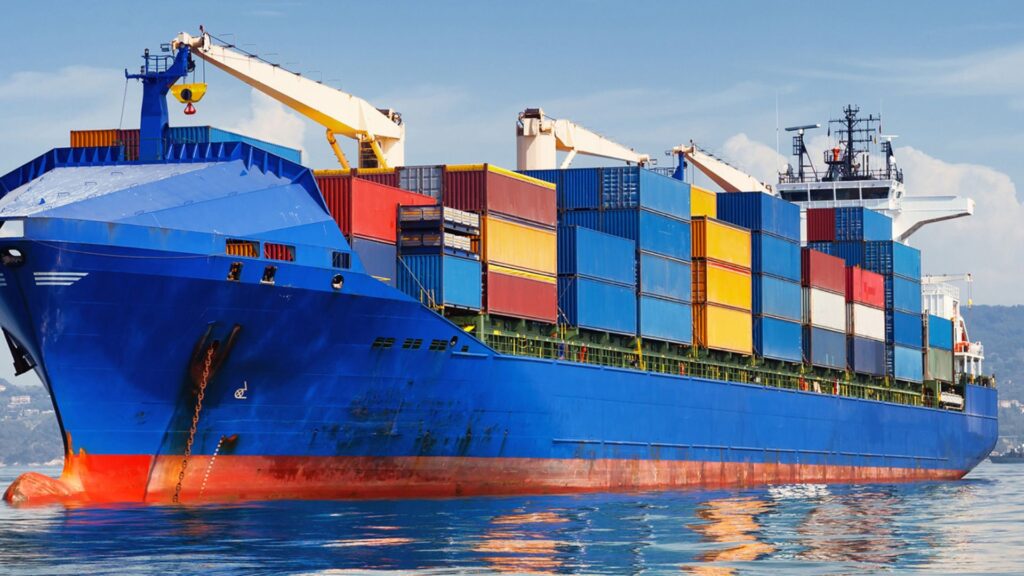
Land Cargo

Multimodal transport

What Is Multimodal Transport? Benefits and Challenges Explained

In the current global logistics and trade landscape, the need for quick, reliable, cost-effective, and secure transportation is more important than ever before. Businesses are constantly looking for new and creative ways to move goods from one place to another. Multimodal transportation is one approach that has drawn a lot of interest. What does it mean? What is the process? What are its advantages and pitfalls? This blog will provide answers to any questions you may have in a straightforward manner. What Is Multimodal Transport? Multimodal transportation is the transportation of goods by two or more methods of transportation, such as rail, road, sea or air, under the same contract or with a single operator. The entire process of shipping is controlled by a single logistics service provider regardless of the various types of transportation are involved. For instance, a shipment could begin its journey on truck, then be moved to a vessel, later on by train, getting to the final destination. The client doesn’t have to handle each step individually because the multimodal company manages the entire journey. How Does Multimodal Transport Work? The main actor within this framework is called the Multimodal Transport Operator (MTO). The MTO is accountable for the cargo from its beginning point until the destination. The client signs one contract with the MTO and then manages the various transportation methods and carriers. Here’s an easy step-by-step tutorial: A truck picks up the items from the warehouse. They are taken to the port, where they are transferred to a cargo ship. When they reach the port of departure at the port of destination, they are unloaded and put onto trains. Then, they are transported by a different truck to the client. In this process throughout the journey, the MTO ensures that everything is monitored and efficiently managed and efficiently, which saves the customer time and effort. Key Benefits of Multimodal Transport Multiple-Mode Transport has numerous benefits for companies seeking to simplify their logistics processes 1. One Point of Contact With just one contract and a single logistics service, Communication becomes easy. It’s not necessary to work with a variety of companies or track updates from multiple providers. 2. Time-Saving Multimodal systems are typically created to make use of the most efficient and fastest routes. This reduces delivery times, particularly for long-distance and international transport. 3. Cost-Effective Utilizing the most efficient method for each stage of your journey could reduce costs. For example, shipping by sea is less expensive for long distances, and trucks are more suitable for shorter final deliveries. 4. Better Tracking and Visibility Many MTOs have advanced tracking solutions, which provide constant updates throughout the trip. This allows businesses to plan more efficiently and keep their customers updated. 5. Eco-Friendly Utilizing efficient transport modes can help reduce emissions and consumption of fuel which makes it a more sustainable option. Challenges of Multimodal Transport Although multimodal transport comes with many advantages, it presents some challenges companies must consider: 1. Coordination Complexity Although one person is in charge of the whole process, managing various modes of transport requires high levels of coordination. A delay in one part can impact the delivery schedule. 2. Infrastructure Limitations A few areas may not have the infrastructure or connections between various transport systems, which makes seamless transitions a challenge. 3. High Initial Setup Costs The process of planning and establishing an intermodal logistics system can take more time, effort and money than using only one method. 4. Regulatory Issues International travel may involve documentation, customs clearance and regulations that are different between different countries. The MTO should be skilled in navigating these issues efficiently. 5. Risk of Damage or Delay Transferring cargo between different methods increases the risk of handling mistakes or even damage when not handled properly. Multimodal vs. Intermodal Transport It’s crucial to comprehend the distinction of the two modes of transport: multimodal or intermodal transportation. Multiple-Mode Transport utilizes one contract and operator for the entire trip. For each mode of transportation, there are several contracts with different transporters. Multimodal can be simpler to manage since the customer is only dealing with one service provider. Intermodal can offer greater flexibility, but it can also be more complicated to organize. Who Can Benefit From Multiple-Mode Transport? Multimodal transport is great for: Manufacturing businesses require the ability to move products across borders. Retailers and businesses want efficient and quick delivery. Importers and exporters who manage bulk shipments. Management of the supply chain is seeking to cut down on the amount of time and cost. It doesn’t matter if it’s a small company or a huge enterprise; any business that is involved in regular cargo movements is able to benefit from this program. Conclusion Multimodal travel is a clever and contemporary solution to the ever-changing logistics requirements of today. It streamlines the entire process by utilizing one operator for various transport modes, thus reducing the effort and error. Although it does have some limitations like coordination and infrastructure requirements but the overall benefits, such as savings in costs, quicker delivery, and improved control, make it an attractive choice. It is crucial for businesses that operate in global marketplaces, particularly in the UAE’s trade hubs, to choose the best logistics provider. If you’re in search of an experienced cargo service in Dubai, be sure you select a service that has experience in multimodal transportation. This will help you simplify your shipping process to reduce costs, as well as enhance the satisfaction of your customers

What Is Multimodal Transport? Benefits and Challenges Explained Read More »
Best Freight Method Air, Sea, or Land? A Practical Guide to Making the Right Choice

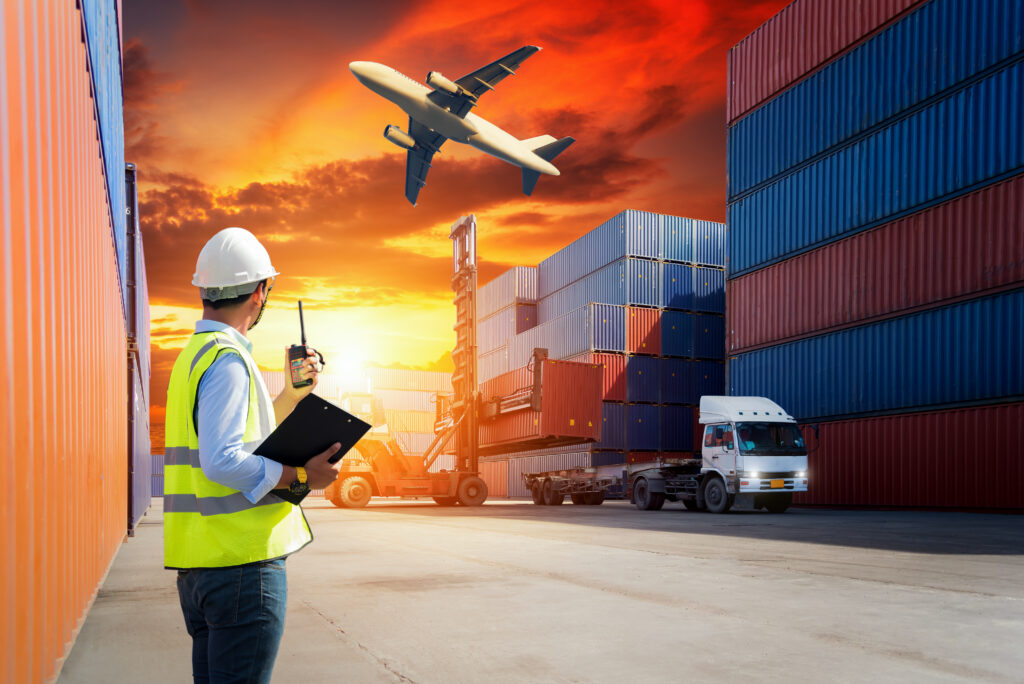
In today’s highly competitive global marketplace, deciding the most efficient method for transporting goods will significantly affect your company’s efficiency, cost control, as well as customer satisfaction. If you’re a small-scale business owner, frequent exporter or moving to another country, choosing shipping via air, sea, and land-based freight is essential. Each has its own pros and cons, and making a well-informed choice will save your time, money and stress. In Forward Air Cargo Service & Clearance LLC, an established logistics provider in the UAE we assist customers select the best shipping options that meet their requirements. In this article, we’ll guide you through how to analyze and select the best freight method to transport your goods Key Factors to Consider Before Choosing a Freight Method Before you decide on a shipping method, you need to analyse your shipping needs carefully. Be aware of these crucial elements: Type of goods: Are you transporting fragile, oversized, perishable or dangerous substances? The delivery timeline: Is the shipment urgent? delivery? Can you afford a delay? Budget Constraints: Are you seeking the least expensive method or the fastest? destination: Is it a local delivery within the UAE or a global shipment? Environmental Preferences: Would you rather have environmentally friendly options? Answering these types of questions can help narrow your choices and help you choose the most efficient method of freight to suit your needs. Air Freight: Fast but Premium Air cargo is the most efficient freight method, perfect for businesses and those who value speed. Forward Air Cargo is a highly rated Air Freight Company in Dubai. Forward Air Cargo specialises in time-sensitive deliveries that offer quick customs clearance as well as real-time tracking of your shipments. Pros: Performance: Most international shipments arrive within 3 to 5 days. Secure: The cargo is treated with care and is often less prone to being damaged. Global Reach: Straight access to global destinations. Cons: Cost: Air freight is more expensive than alternatives like land or sea. Limitations on size: It’s not suitable for bulky or large items Weather-related Dependency: The flight schedule can get delayed because of adverse weather conditions. The air freight method is the most efficient method of transportation in cases where time is more important than money, particularly for electronics, perishable items as well and urgent paperwork. Sea Freight: Cost-Effective for Bulk Shipments If you’re dealing with large products or large quantities, sea freight may be the ideal choice. As a trusted Sea Freight Company in Dubai, we handle both full Container Load (FCL) as well as Less than Container Load (LCL) shipping with worldwide coverage. Pros: Cheap: Ideal for large transports where cost-saving is a must. Capacity: It can carry heavy and bulky objects easily. Eco-friendly: Lower carbon footprint when compared to air freight. Cons: Delivery is slower: Transit can take up to a week, depending on the travel route. Port Delays: The Possibility of delays due to customs issues or weather conditions at sea. Complex documentation: It requires more documentation and meticulous planning. Select sea freight if your preference is cost savings in comparison to speed. You’re transporting bulk items across international waterways. Land Freight: Practical for Regional Needs The Land Freight is a reliable option for deliveries to regional and domestic destinations all across UAE in addition to GCC countries. As the most reputable service provider for Land Cargo Service in Dubai, Forward Air Cargo provides reliable trucking services that include door-to-door delivery service. Pros: Flexible: Ideal for short to mid-range distances. accessibility: Trucks can access locations that aren’t served by airports or ports. cost-effective: Reasonable rates for regional and local travel. Cons: Traffic Conditions: delays due to weather, traffic, or closures to roads. Limitations on Distance: This doesn’t work for international shipping. size restrictions: Limited by vehicle capacity and local regulations. The land freight method is typically the best freight method for delivery in the UAE and other countries in the region, especially for medium and small shipments. Tips for Making the Right Choice Here are some tips from experts to help you make the right choice in your shipping: Find Freight Type and Nature of Product: Air for urgent items and bulk items, sea for bulk, and land for regional. Combining Freight Options: multimodal transport (e.g., land + sea) can help to balance costs and speed. Understanding Customs Requirements: Each approach involves various levels of paperwork. Consult professionals: A logistics expert will assist you to evaluate every aspect and prevent costly errors. We are Forward Air Cargo, our expert team of experts will help you examine all options before deciding on the best freight method that is suited to your company or personal requirements. Conclusion The right method of freight isn’t just about moving cargo, but also optimising your whole supply chain. Each method — sea, air, and land– has its own unique advantages and best applications. Although flying freight is the fastest, sea freight is your ideal choice for bulk shipping that is budget-friendly as well, and Land freight is unbeatable in its flexibility in regional logistics. No matter if you’re expanding your business into new markets or moving your family, working with a reliable logistics company can make all the difference. We at Forward Air Cargo bring together expertise, reliability, and customer service to offer outstanding Cargo Services in Dubai. Are you uncertain of what type of freight option will suit your needs the best? Contact us today and let our experts help you choose the most cost-effective and efficient freight option.

Best Freight Method Air, Sea, or Land? A Practical Guide to Making the Right Choice Read More »

What You Need to Know About Land Transport from Dubai to Saudi Arabia

Documents Required To Ship Personal Goods From The UAE To Saudi Arabia: Passport visa & id copy of sender Passport visa & id copy of receiver  Invoice (In Arabic), Packing List (In Arabic) & COO (COO From Chamber)  An electronic authorization for the clearance office at the Saudi borders through the Najiz application Documents Required To Ship Commercial Goods From The UAE To Saudi Arabia: A commercial invoice written in Arabic and certified by one of the chambers of commerce in the United Arab Emirates Packing list Certificate of origin from any emirate of UAE Health certificates if the shipment is foodstuff An electronic authorization from the institution receiving the customs clearance office at the Saudi borders (Al-Batha) through the Fasah system on the Saudi Customs website. Shipper authorized clearing agent at UAE sila border  The Required Certificates For The Saber Platform: Recently, a platform was created and called it “Saber”. It is an electronic system that takes place through the registration and approval of products shipped to the Kingdom of Saudi Arabia, in order to ensure the quality and safety of the product before its arrival in the Kingdom. This platform has been developed for the following purposes: Ensuring that the products that are exported to Saudi Arabia comply with the specifications and quality standards in accordance with the requirements of the Standards and Quality Authority. Contribute to limiting the entry of adulterated or non-conforming products into Saudi Arabia. All operations on the Saber system are carried out electronically to ensure the speedy issuance of conformity documents for products. Conformity certificates for products are issued as soon as the exporter fulfills all the conditions required to approve the product before it is allowed to be traded in Saudi Arabia. SASO Certificate Of Conformity From The Saber Platform: The Saudi Certificate of Conformity (SASO) is a certificate of conformity for products imported into Saudi Arabia, as this is part of the conformity assessment program in the Kingdom. The SASO certificate is required for all imported goods to complete the customs clearance process; And to confirm that the shipments comply with the relevant technical regulations and meet the safety standards of the Saudi Standards, Metrology and Quality Organization, and the suitability for the use of the goods in the Kingdom of Saudi Arabia The SASO certificate is issued by the authorized body in the country of origin of the product upon approval of the shipment to ensure that it conforms to quality standards in Saudi Arabia, and this certificate is valid for a certain period of time only. Steps To Obtain The SASO Certificate Of Conformity From The Saber Platform: Log in to the Saber platform. Choose the type of product (commercial products). Choose to request a new product conformity certificate, select the product and add the model numbers. Select the conformity assessment body and submit the application. Approval of the application by the conformity assessment body. Complete payment procedures. Studying the application and making a decision by the conformity assessment body. Product Conformity Certificate (COC) Or (QM) From Saber Platform: A Product Conformity Certificate (COC) is required to prove that products shipped to Saudi Arabia have been registered on the Saber platform and are in compliance with the technical regulations in force in the Kingdom. The COC certificate is valid for one year from the date of issue. Steps To Obtain A Product Conformity Certificate (COC) From The Saber Platform: Enter all required product data on the Saber electronic platform. Choose an Accreditation and Certification Body (CB), such as Tabseer, to proceed with the certificate issuance process. Pay the Product Conformity Certificate (COC) fee. Tabseer, as an accreditation and certification body appointed by the client, reviews and follows up on the application. Tabseer cooperates with the service applicant to ensure the provision and submission of all required data and documents. Tabseer uploads the documents to the Saber system after verifying their validity and accuracy. Finally, a Certificate of Conformity (COC) is issued through the SABER electronic platform. Customs Broker Authorization Request An electronic service that allows the importer to authorize one of the customs brokers to conduct the customs transactions in the desired service, and the authorization is specified for import only, export only, or both, and the importer determines the authority for the broker to use the authorization for one time or several times. Steps To Submit A Request For Customs Broker Authorization From Fasah Portal: Log in to Fasah portal. Go to Importers and Exporters Services. Choose sincere negotiation service. Choose to create a new authorization request. Fill out the required form (choose the authorization customs, the broker’s license number, the type of authorization, the authorization validity). Click (Send) to receive a verification code on your mobile phone. The authorization will be activated immediately. Conditions For Importing From The UAE To Saudi Arabia: Product Compliance With Import Requirements In Saudi Arabia: One of the most important conditions for importing into Saudi Arabia is that the product conforms to the standards set, and among other conditions is that Saudi Arabia is aware of the condition of the imported product, its details, and its conformity or violation of the standards for imports in the Kingdom of Saudi Arabia. For example, the product should not be pork, drugs, alcohol, or any kind of intoxicants.  If know more visit our ->> Services-> Land Transport from Dubai to Saudi Arabia   OR  Call Us:  (+971) 43996564    

What You Need to Know About Land Transport from Dubai to Saudi Arabia Read More »