
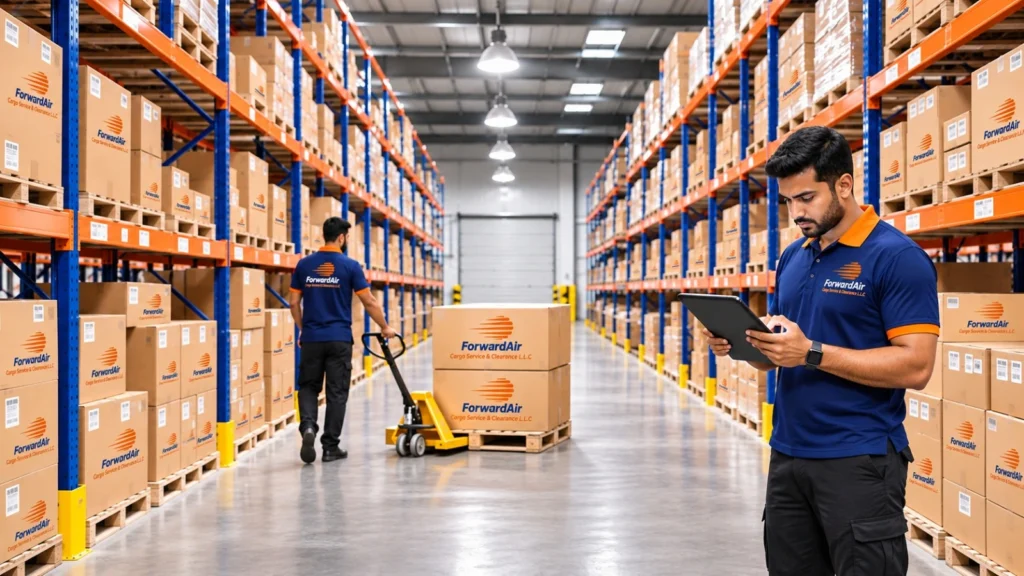
Finding suitable storage space in Dubai can be challenging for individuals and businesses. Relocation, home renovations, overseas travel, excess inventory and office moves can all create situations where additional space is needed. Renting a separate warehouse or larger property may not always be practical, particularly when the requirement is temporary or the quantity of goods changes over time.
Monthly warehouse storage provides a flexible way to keep furniture, household belongings, commercial products and business inventory in a dedicated facility. With suitable storage and warehousing services in Dubai, customers can manage their space requirements without committing to a separate warehouse lease. However, choosing the right facility involves more than comparing monthly rental rates. Storage conditions, security, accessibility and handling arrangements all influence the suitability of a facility.
Why Do Individuals and Businesses Need Long-Term Storage?
Storage needs tend to follow life and business cycles. A monthly arrangement keeps belongings and stock out of living and working areas without forcing a long-term commitment.
For households and individuals
- Relocation: Residents leaving the country or changing properties can store furniture, appliances and personal items until the new home is ready.
- Home renovations: Painting, refurbishment or maintenance work is easier and safer for furniture, when belongings are kept elsewhere.
- Temporary travel: Anyone away for an extended period can store what they will not need while they are gone.
- Downsizing: A smaller home often cannot hold everything from the old one, and storage covers the difference.
For businesses
- E-commerce inventory: Online sellers can hold extra products, packaging materials and seasonal stock.
- Retail stock management: Surplus merchandise and promotional materials can sit outside the main selling floor.
- Office relocation: Furniture, computers, files and equipment can be stored during a move or refurbishment.
- Project-based operations: Contractors and service companies can keep tools, equipment and materials safe between projects.
Businesses with fluctuating inventory also gain extra capacity during busy trading periods, with no need to expand their premises permanently.
Types of Warehouse Storage Solutions
What suits one set of goods may be wrong for another. The right option depends on the items, the quantity, the storage period and any environmental requirements.
- General warehouse storage: For packaged products, furniture, equipment, household goods and commercial inventory that need no special conditions.
- Temperature-controlled storage: Protects sensitive goods from heat and temperature swings. Certain electronics, wooden furniture and documents often benefit.
- Pallet storage: A practical fit for cartons, packaged goods and bulk inventory. Space is usually allocated by pallet position or by volume.
- Containerised storage: A designated space for belongings or cargo packed into suitable containers.
- Open-yard storage: For machinery, construction materials and other large equipment that can safely stay outdoors.
Before booking, confirm that the facility can handle the dimensions, weight and handling needs of the goods in question.
How Dubai’s Climate Affects Stored Belongings
Heat, humidity and dust all take a toll on items left in storage for months. Furniture, electronics, documents, clothing and upholstery are the most likely to need extra care.
A temperature-controlled space helps with heat-sensitive goods, and clean, dry packaging cuts down exposure to dust and moisture. For a wider picture of local conditions, the UAE’s National Air Quality Platform publishes air quality and particulate matter data.
When comparing secure warehouse storage in Dubai, ask each provider about temperature control, ventilation, dust management and pest prevention. What matters most will depend on what is going into storage.
Important Features of a Secure Warehouse Storage Facility
Location, security, environmental conditions and support services are the main points of comparison. These features are worth looking for:
- Central location: Easy access to residential, commercial and logistics areas makes collection and delivery simpler.
- Temperature-controlled environment: Keeps conditions suitable for heat-sensitive goods.
- High security: Protects belongings and commercial inventory.
- CCTV monitoring: Covers storage areas and access points.
- Online booking and payment: Makes reserving space and managing payments more convenient.
- Dust-free environment: Keeps furniture, equipment and packaged goods cleaner.
- Pest control: Regular treatment guards against infestation.
- Approved sprinkler system: A core part of the facility’s fire protection.
- Pick-up services: Goods are collected from the customer’s location and taken to the warehouse.
- Pack and move services: Help with preparing, handling and transporting belongings.
- Boxes and packing materials: Proper cartons and protective materials reduce the risk of damage in transit and in storage.
It is also wise to read the fine print on access conditions, insurance, liability limits and the process for reporting damaged or missing items before signing a storage agreement.
How to Prepare Goods for Long-Term Storage

A little preparation protects belongings and makes retrieval much easier later. Before anything goes into the warehouse:
- Sort and organise: Separate what needs storing from what can be sold, donated or thrown away.
- Clean and dry belongings: Wipe away dust, dirt and moisture before packing furniture, appliances and other goods.
- Choose suitable packing materials: Strong cartons, bubble wrap, protective covers and cushioning should be matched to each item.
- Label packages: Mark cartons clearly and add handling instructions where needed.
- Protect furniture: Dismantle larger pieces where practical and cover them properly.
- Prepare electronics: Disconnect equipment, back up important data and follow the manufacturer’s storage guidance.
- Create an inventory: List what is being stored and photograph valuable items before collection.
For commercial goods, an up-to-date inventory with product descriptions, quantities and storage locations speeds up stock identification and retrieval.
Why Collection and Packing Services Matter
Moving bulky furniture, cartons, appliances and commercial goods to a warehouse can be difficult without suitable vehicles and handling support. Collection and packing services help simplify this process by reducing the number of arrangements customers need to coordinate.
When comparing door-to-door delivery services, customers can also consider whether the provider offers collection, packing and transportation support alongside storage arrangements.
Before scheduling a collection, confirm whether packing materials, loading assistance, furniture dismantling and transportation are included in the quotation. It is also useful to understand how goods are labelled, recorded and checked when they arrive at the storage facility.
These arrangements can be particularly helpful for households relocating between properties and businesses moving larger quantities of inventory or equipment.
What to Check Before Booking Monthly Storage
Before choosing a storage provider, review the following points to make sure the arrangement suits your requirements:
- Is there enough space for the quantity and dimensions of the goods?
- Are storage conditions right for the items being stored?
- Does the facility have CCTV monitoring, access control and fire protection?
- Are pest control and general maintenance carried out regularly?
- What does the monthly fee include?
- Are collection, packing and retrieval services available?
- Can individual items be accessed or delivered on request?
- What insurance and liability arrangements apply?
- What are the minimum storage period, renewal terms and termination notice requirements?
Clear answers to these questions make it far easier to compare providers and understand exactly what the arrangement covers.
Final Thoughts
Long-term storage can provide a practical solution for households managing relocation or renovation and businesses handling additional inventory or equipment. The right choice depends on the type of goods, storage duration, facility conditions and overall cost.
Comparing warehouse features, preparing belongings properly and understanding the booking terms can help make the storage process more manageable. Explore the available storage and warehousing solutions and contact the team to discuss monthly storage, packing and collection requirements for household belongings or commercial goods.