Trade moves fast. Supply chains stretch across continents, regulations shift without warning, and a single documentation error can stall a shipment for days. Yet behind every consignment that clears customs on time, there is usually a freight forwarder who made sure everything lined up correctly before the cargo even reached the port.
For UAE businesses that import raw materials, export finished goods, or distribute products across the GCC and beyond, freight forwarding is not a back-office function. It is a core part of how trade actually works. Understanding the process end-to-end helps businesses make smarter decisions, avoid preventable delays, and build supply chains that hold up under pressure.
Dubai’s position as one of the world’s most connected trade hubs makes this especially relevant. Working with an experienced freight forwarding company in Dubai gives businesses direct access to infrastructure, expertise, and carrier networks that most importers and exporters could not replicate on their own.
What Freight Forwarding Actually Involves
At its core, freight forwarding is logistics coordination. A freight forwarder organises the movement of goods across international borders, handling everything from booking cargo space and preparing shipping documents to managing customs clearance and arranging final delivery.
What makes freight forwarders distinct from carriers is that they typically do not own ships, aircraft, or trucks. Instead, they maintain established relationships with transportation providers and use that network to find the right solution for each shipment. The result is a single point of accountability for what would otherwise be a fragmented process involving multiple vendors, jurisdictions, and handoffs.
For businesses without dedicated in-house logistics teams, this coordination function is genuinely valuable. For those with experienced teams, an external freight forwarder still brings carrier relationships, local market knowledge, and regulatory expertise that are difficult to replicate internally
Why the UAE Is a Different Kind of Logistics Environment
Geography plays a significant role here. Positioned between Asia, Europe, and Africa, the UAE has developed into one of the world’s most active transit and distribution centres. Jebel Ali Port consistently ranks among the top ten busiest container ports globally. Dubai World Central handles both cargo and passenger traffic on a scale that supports complex multimodal operations. The network of free zones adds another layer, offering bonded warehousing, re-export capabilities, and customs duty advantages that attract businesses from across the region.
This infrastructure creates genuine opportunities for businesses that use it effectively. It also creates complexity. Navigating free zone regulations, coordinating cargo across different UAE ports and airports, and managing GCC cross-border shipments all require specific knowledge that a capable freight forwarding company in Dubai has built over years of operational experience.
The Freight Forwarding Process, Stage by Stage
Shipment Planning and Documentation Preparation
Every shipment starts with information gathering. Cargo dimensions, weight, destination requirements, applicable trade regulations, and delivery deadlines all feed into the initial planning. At this stage, documentation is often where problems begin if not handled carefully.
Depending on the shipment, the document set typically includes a Commercial Invoice, Packing List, Bill of Lading or Air Waybill, Certificate of Origin, and any Import or Export Permits required by the destination country.
Minor discrepancies in these documents — a mismatched product description or an incorrect declared value — can trigger customs inspections, delays, or fines. Getting documentation right before cargo moves is far less expensive than resolving problems after a shipment has been held.
Cargo Collection and Origin Handling
Once documentation is in order, cargo is collected from the exporter’s premises, factory, or designated warehouse. At this point, the freight forwarder verifies packaging integrity, confirms measurements, and ensures labelling meets destination country requirements.
Smaller shipments are often consolidated with other cargo bound for the same destination. This Less than Container Load (LCL) arrangement lets businesses ship without filling an entire container, which significantly reduces per-unit transportation costs for smaller volumes.
Export Customs Clearance
Before cargo can leave the country of origin, it must pass through export customs. This involves submitting export declarations, verifying compliance with any applicable trade restrictions, and classifying goods correctly under the Harmonised System (HS) code structure.
HS code classification is more consequential than it might appear. Wrong classifications affect duty calculations, trigger unnecessary inspections, and in some cases attract penalties. Freight forwarders with strong customs knowledge review classifications before submission rather than leaving this to chance.
International Transportation
The mode of transport depends on what’s being shipped, how quickly it needs to arrive, and what the cost constraints look like.
Sea freight suits high-volume, cost-sensitive shipments where transit time is flexible. It remains the backbone of global trade for heavy goods and large orders. Air freight works for urgent, time-sensitive, or high-value cargo where speed justifies the premium — pharmaceuticals, electronics, and perishables frequently move this way. Land freight handles the GCC corridor, connecting the UAE to Saudi Arabia, Kuwait, Oman, and beyond by road.
Many regional shipments combine road transport with sea or air legs, a model the Dubai Logistics Corridor supports particularly well. Cargo arriving at Jebel Ali, for instance, can transition into air freight networks efficiently, which gives UAE-based operations a real advantage in multimodal planning.
Import Customs Clearance
When cargo reaches its destination, the import clearance process begins. Customs authorities review declarations, assess applicable duties, and may conduct physical inspections depending on the commodity type and risk profile.
Within the UAE, customs procedures have become significantly more efficient through digital platforms like Mirsal II and Dubai Trade. These systems reduce paperwork and allow pre-arrival declarations, which can shorten clearance times considerably when submissions are accurate. A freight forwarding company in Dubai that works regularly with these platforms understands what customs authorities look for and how to keep clearance moving.
Destination Handling
Post-clearance, cargo moves into destination handling. Containers are unpacked, consolidated shipments are broken down, and inventory is prepared for onward movement. Condition verification at this stage matters, particularly for high-value or fragile goods where transit damage needs to be identified and documented before distribution begins.
Final Delivery
The last-mile leg — delivering goods to the consignee, retail outlet, warehouse, or project site — is often where supply chain performance becomes visible to customers. Delays here are the ones that tend to generate complaints and affect business relationships. Coordinating this stage well requires road transport availability, route planning, and clear communication on delivery windows, none of which happen automatically.
Where Things Go Wrong in International Shipping
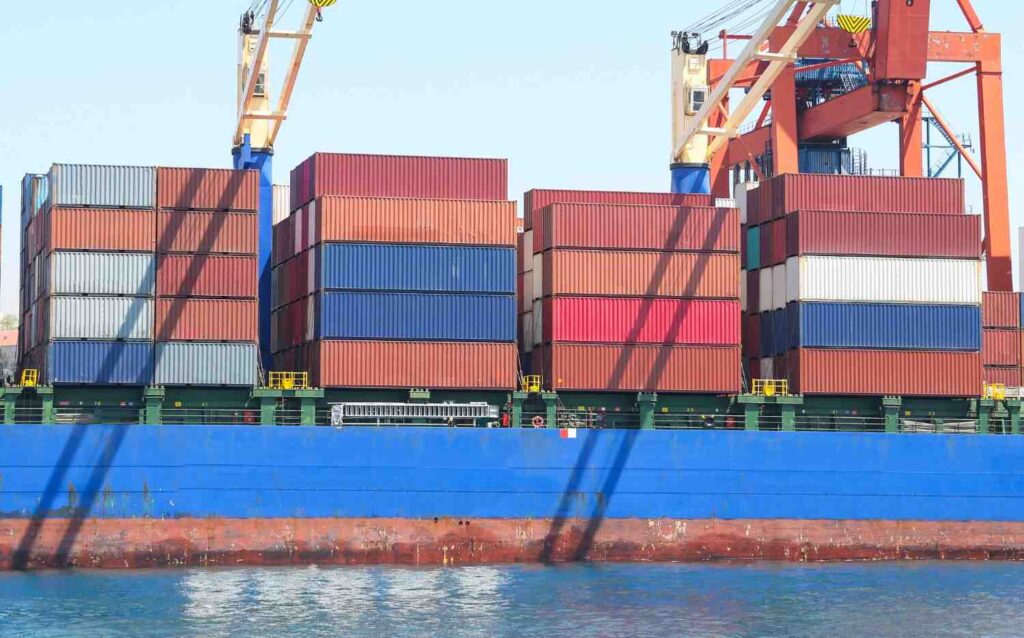
International shipments rarely fail catastrophically. More often, problems accumulate through a series of smaller issues that could have been caught earlier. Incorrect HS code classification leads to duty disputes or holds. Incomplete documentation gets flagged during customs review. Capacity shortages during peak seasons — around Ramadan, Chinese New Year, or pre-holiday shipping surges — leave cargo waiting for space. Port congestion disrupts vessel schedules and creates knock-on delays. Demurrage and detention charges accumulate when containers sit uncollected past the free period. Regulatory changes in destination markets catch businesses off guard when they were not anticipated during shipment planning.
Most of these are preventable. The businesses that avoid them tend to work proactively with their freight forwarding partners, sharing advance shipment information and staying in regular communication about anything that might affect transit.
Technology Has Changed What Good Freight Forwarding Looks Like
A decade ago, tracking a shipment meant calling your forwarder and waiting for them to check with the carrier. That process has changed considerably. Real-time cargo visibility is now standard among established logistics providers. Shipment status, customs clearance updates, and expected arrival windows are accessible through digital platforms rather than a chain of phone calls.
Beyond tracking, AI-assisted route optimisation helps freight forwarders compare transit options across cost, speed, and reliability in ways that were not previously practical at scale. IoT sensors on containers provide temperature and condition monitoring for sensitive cargo. Electronic documentation systems reduce the risk of manual errors that cause customs delays.
For UAE traders operating across multiple markets simultaneously, access to accurate, timely shipment data is not a convenience. It affects inventory planning, customer commitments, and cash flow. The technology a freight forwarding company uses in its day-to-day operations is worth evaluating as part of any partner selection process.
Choosing the Right Freight Forwarding Partner in Dubai
Freight rate is often the first thing businesses compare when evaluating logistics partners. It is rarely the most important factor. A low quote that comes with poor documentation support, limited customs knowledge, or an unreliable carrier network will cost more in the long run through delays, penalties, and rework.
The factors that genuinely separate strong freight forwarding companies from the rest include demonstrated experience with UAE and GCC customs procedures, a global network of agents and carrier relationships that provide real routing options, relevant industry certifications, integrated cargo tracking, clear insurance support, and pricing structures without unexplained surcharges after the fact.
Ultimately, the best logistics partnerships are built on communication and consistency. A freight forwarding company in Dubai that understands your cargo types, your destination markets, and your operational priorities will handle problems faster and prevent many before they develop.
Final Thoughts
Freight forwarding sits at the centre of international trade, connecting transportation, customs clearance, documentation, warehousing, and final delivery into one coordinated process. When managed properly, it helps businesses move goods efficiently across borders while reducing delays, controlling costs, and improving supply chain visibility.
For UAE importers and exporters, the importance of reliable freight forwarding continues to grow as global trade becomes more interconnected and regulatory requirements become more complex. From selecting the right transport mode to navigating customs procedures and managing multimodal shipments, every stage requires careful planning and execution.
Working with an experienced Freight forwarding company in Dubai can simplify these challenges by providing the expertise, carrier networks, and local market knowledge needed to keep cargo moving smoothly. As businesses expand into new markets and face increasing supply chain pressures, strong freight forwarding support remains a key factor in maintaining operational efficiency and long-term growth.