
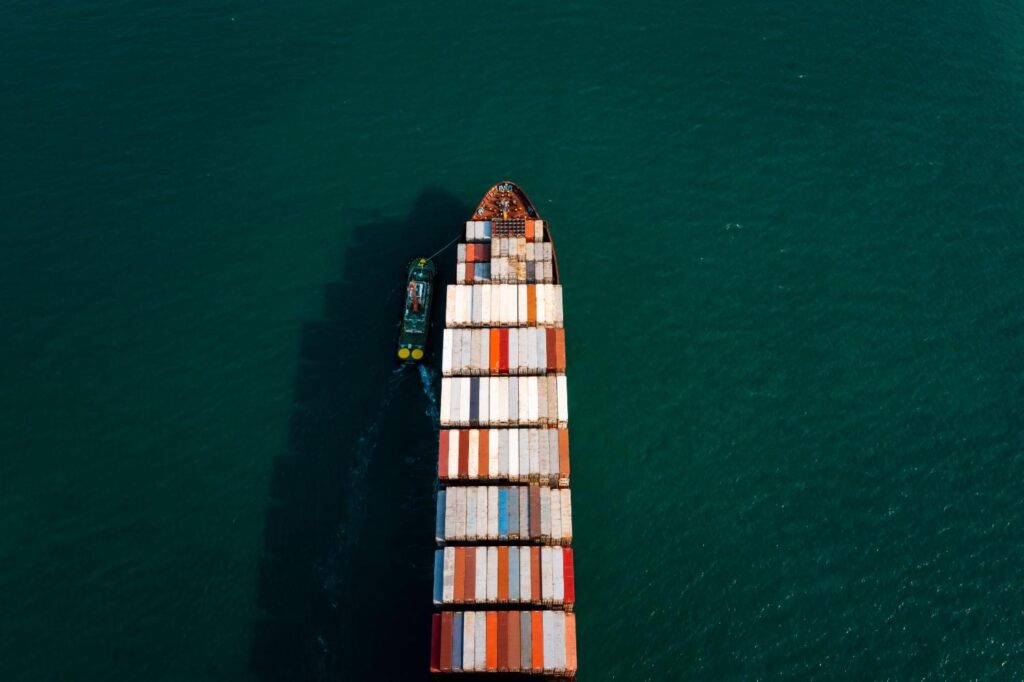
How Technology Is Transforming Shipping and Logistics Services in Dubai
Moving goods from one place to another efficiently has always been the core job of the logistics industry. What’s changed lately isn’t the goal itself, but the methods used to reach it. Across Dubai, technology is quietly reshaping how cargo gets planned, tracked, stored, cleared, and delivered. Jobs that used to mean a string of phone calls, stacks of paperwork, and constant manual coordination can now be handled through connected digital systems in minutes rather than days. For businesses involved in international trade, this shift translates into faster operations, sharper visibility, and tighter control over supply chains. As Dubai works to hold its place as a global trade hub, technology is a big part of why the city keeps pace in a logistics environment that gets more demanding every year. Moving Beyond Traditional Logistics Manual processes used to dominate logistics operations. Shipment updates lagged behind reality, customs procedures meant piles of paperwork, and inventory management leaned heavily on people simply keeping an eye on things. That picture has shifted considerably. Modern supply chains now produce huge volumes of real-time data. Cargo movements, warehouse activity, delivery schedules, and customs information increasingly flow through integrated platforms that give near-instant visibility across the entire logistics journey. For any Logistics company in Dubai, digital transformation isn’t a goal on some future roadmap anymore — it’s simply how the work gets done day to day. Smart Ports Are Making Cargo Movement Faster Dubai’s logistics ecosystem rests on some of the most advanced port infrastructure anywhere in the world. At Jebel Ali Port, automation and artificial intelligence are helping refine container handling, vessel scheduling, and yard management. Rather than depending entirely on manual coordination, intelligent systems can read cargo volumes, fine-tune crane movements, and head off congestion before it turns into a real problem. Customers rarely see these improvements directly, yet they shape delivery performance in a very real way. Quicker vessel turnaround, more efficient cargo handling, and shorter waiting periods all add up to a smoother supply chain overall. For businesses working with a Logistics company in Dubai, that translates into shorter lead times and cargo movement they can actually rely on. Real-Time Tracking Has Changed Customer Expectations Visibility is arguably the biggest shift in modern logistics. Knowing where cargo was yesterday isn’t good enough anymore — businesses want to know where it is right now, at this moment. IoT sensors, GPS technology, and cloud-based tracking platforms have made that possible. Shipments can be followed throughout their entire journey, giving businesses access to location updates, estimated arrival times, and early warning of potential delays. This kind of transparency matters most for high-value products, pharmaceuticals, food shipments, and anything temperature-sensitive. Given that Dubai’s summer temperatures regularly climb past 45°C, active monitoring adds a meaningful layer of protection, catching problems before they affect product quality. Smarter Warehouses Are Improving Efficiency Warehousing has changed just as much. Modern facilities lean more and more on automation to handle storage, picking, packing, and inventory management. Automated Storage and Retrieval Systems (ASRS), robotic sorting, and machine-learning-driven inventory planning all help warehouses process larger volumes without sacrificing accuracy. These tools matter especially for growing e-commerce businesses. As online shopping keeps expanding across the GCC, customers expect faster delivery and orders that arrive correct the first time. Smart warehouses help meet those expectations without forcing companies to throw far more staff at the problem. Many businesses choose a Logistics company in Dubai specifically because it can bring warehousing, fulfillment, and transportation together on one technology-enabled platform. Customs Clearance Is Becoming Faster and More Digital Customs has traditionally been one of the slowest links in international trade. Dubai has put serious investment into digital customs systems built to simplify cargo clearance and cut administrative delays. Artificial intelligence now plays a role in assessing declarations, flagging potential risks, and speeding approval for low-risk shipments. Digital documentation and automated verification have reduced the industry’s reliance on paper-based workflows, making trade smoother for both importers and exporters. The upshot is a noticeably easier experience for businesses moving cargo through the UAE, with far less time lost to unnecessary waiting. Digital Freight Platforms Are Simplifying Logistics How businesses book logistics services is shifting, too. Digital freight platforms now let companies compare rates, book shipments, track cargo, and manage documentation all from a single interface. Instead of juggling separate conversations with carriers, warehouses, customs brokers, and freight agents, businesses can manage several logistics functions through one connected system. For a modern Logistics company in Dubai, digital platforms mean a more transparent, customer-friendly front end, paired with sharper operational efficiency behind the scenes. Technology Is Helping Solve Last-Mile Delivery Challenges The final leg of delivery tends to be the most expensive and the most complicated part of the process. To sharpen performance here, logistics providers increasingly turn to artificial intelligence, route optimization software, and advanced mapping systems. Dubai’s Makani geo-addressing system has also improved location accuracy by giving every building its own unique code. That alone has cut down on failed delivery attempts and sharpened delivery precision across both residential and commercial areas. As customer expectations keep climbing, these tools are what allow businesses to hold onto speed without losing efficiency along the way. Sustainability Is Becoming Part of the Technology Conversation Technology isn’t only about speed and visibility — it’s also pushing logistics operations toward greater sustainability. Route optimisation tools cut down on unnecessary fuel use. Automated warehouses run more energy-efficiently. Digital documentation means less paper, while electric delivery vehicles are slowly becoming a normal part of urban logistics networks. These changes support the UAE’s broader sustainability goals while also helping companies trim operational costs along the way. For many organisations, environmental performance now factors directly into how they choose a Logistics company in Dubai. The Future of Logistics in Dubai The next wave of logistics innovation is already taking shape. Artificial intelligence will keep sharpening decision-making. Autonomous vehicles and drone deliveries are edging out of pilot programs and into practical, everyday use. Digital twins are letting businesses […]