
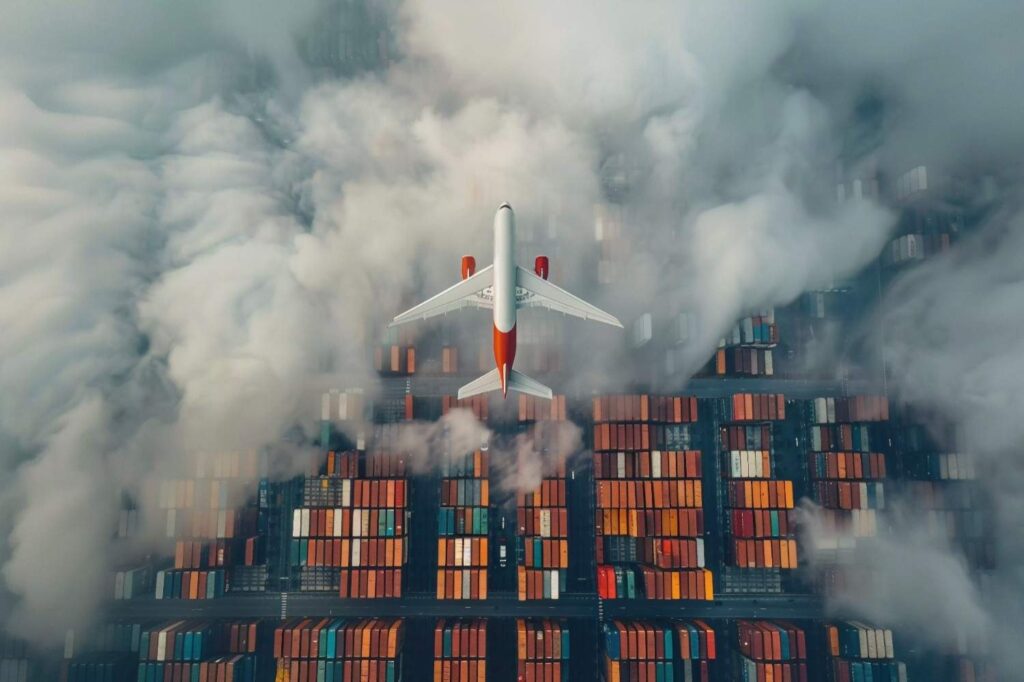
How Dubai Is Redefining Global Air Freight Operations
Dubai did not become a global air cargo hub overnight. Its rise is the result of long-term planning, heavy infrastructure investment, and a clear understanding of how modern supply chains actually work. In 2026, air freight in Dubai is no longer defined only by speed. It is defined by coordination, intelligence, and the ability to move cargo with precision in a complex global environment. For businesses moving high-value, time-sensitive, or regulated goods, Dubai offers something few locations can match: an air freight ecosystem where airports, customs, technology, and multimodal transport operate as one connected system. This integrated setup is a key reason why working with an experienced Air Freight Company in Dubai has become essential for global trade operations that demand reliability. Two Airports, One Integrated Cargo Network Dubai’s air cargo strength rests on a dual-airport model that functions as a single logistics platform rather than two separate facilities. Dubai International Airport is optimised for fast-moving, high-value shipments. Its cargo operations are built around rapid turnaround, making it a preferred gateway for express freight, pharmaceuticals, electronics, and premium goods that cannot afford long dwell times. Al Maktoum International Airport plays a different but equally important role. Designed for long-term scalability, DWC anchors Dubai South and is being developed to handle cargo volumes that far exceed traditional airport limits. Warehousing, logistics parks, and runways are physically aligned, allowing cargo to move from aircraft to storage or onward transport with minimal delay. Together, these airports give operators flexibility. Cargo can be routed based on urgency, size, and handling needs rather than being forced through a single bottleneck—an advantage that experienced Air Freight Company in Dubai operators leverage to optimise transit time and capacity planning. Where Air and Sea Actually Work Together One of Dubai’s lesser-known strengths is how efficiently it connects air freight with maritime logistics. A bonded logistics corridor links the airports with Jebel Ali Port, allowing cargo to move between sea and air within hours. This has made Dubai a leader in sea–air shipping models. Goods arriving by sea from Asia can be transferred to air freight for onward delivery to Europe or Africa, striking a balance between cost and speed. For many traders, this approach has become a practical alternative to pure air freight without accepting the long timelines of ocean shipping. Within this setup, air freight services in Dubai are not isolated offerings but part of a wider transport strategy that adapts to real-world supply chain pressures, especially when managed through a capable Air Freight Company in Dubai that understands both air and sea coordination. Technology That Reduces Friction, Not Just Paperwork Dubai’s air freight operations rely heavily on automation and data intelligence, but the real value lies in how these tools are applied. Cargo terminals now use automated handling systems and robotics to reduce manual intervention. This improves accuracy and helps maintain consistent performance even during peak demand periods. At the same time, digital customs platforms and blockchain-backed documentation have removed much of the repetition that once slowed clearance. AI-driven risk assessment tools analyse shipment data before cargo arrives, identifying inconsistencies early. Instead of delays at the terminal, corrections happen upstream. This shift has changed the nature of air freight operations from reactive problem-solving to controlled, predictable movement. Built for Cargo That Cannot Fail Dubai’s air freight ecosystem has been shaped by industries where mistakes are costly. Pharmaceutical logistics is a clear example. Temperature-sensitive medicines, vaccines, and clinical materials move through tightly controlled corridors monitored by IoT sensors that track conditions in real time. Aerospace and engineering cargo follows similar precision standards. Aircraft engines, urgent spare parts, and AOG shipments are handled through priority workflows designed to reduce downtime. These capabilities are not add-ons; they are embedded into how air cargo is planned and executed. This focus on specialised handling explains why Dubai continues to attract complex cargo that other hubs struggle to manage consistently. Planning Ahead Instead of Reacting Late One of the more subtle changes in Dubai’s air freight operations is how planning has evolved. Digital twins and predictive analytics are now used to model disruptions before they happen. Logistics teams can test scenarios such as route closures, demand surges, or capacity shortages without exposing live cargo to risk. Combined with near-universal digital documentation, this approach improves decision-making across the supply chain. Fewer assumptions are needed, and fewer surprises occur once cargo is already in motion. Sustainability and the Next Phase of Air Cargo Environmental performance has become a core consideration rather than a future goal. Dubai has moved from pilot projects to implementation, introducing solar-powered facilities, electric ground equipment, and hydrogen-powered vehicles within air cargo zones. At the same time, autonomous cargo aircraft and drone logistics are being evaluated for specific use cases, particularly urgent middle-mile and medical deliveries. These developments are not replacing conventional air freight but complementing it, creating new options for time-critical shipments. Why Dubai’s Model Continues to Stand Out Dubai’s approach to air freight works because it treats logistics as a system, not a collection of services. Airports, customs, technology, ports, and road networks are aligned around speed, reliability, and compliance. For global businesses, this means fewer handovers, clearer accountability, and greater control over delivery timelines. As supply chains become more sensitive to disruption, these factors matter as much as transit time itself. Final Thoughts Dubai has turned air freight into something more than fast transport. It has created an environment where cargo moves with clarity, foresight, and resilience. From dual-hub infrastructure to intelligent customs processes and specialised handling, every layer is designed to reduce uncertainty. As global trade continues to demand speed without sacrificing control, Dubai’s air freight ecosystem offers a model that balances both. For businesses that depend on precision and predictability, this “cargo in the clouds” approach is not just impressive—it is increasingly essential.
How Dubai Is Redefining Global Air Freight Operations Read More »