
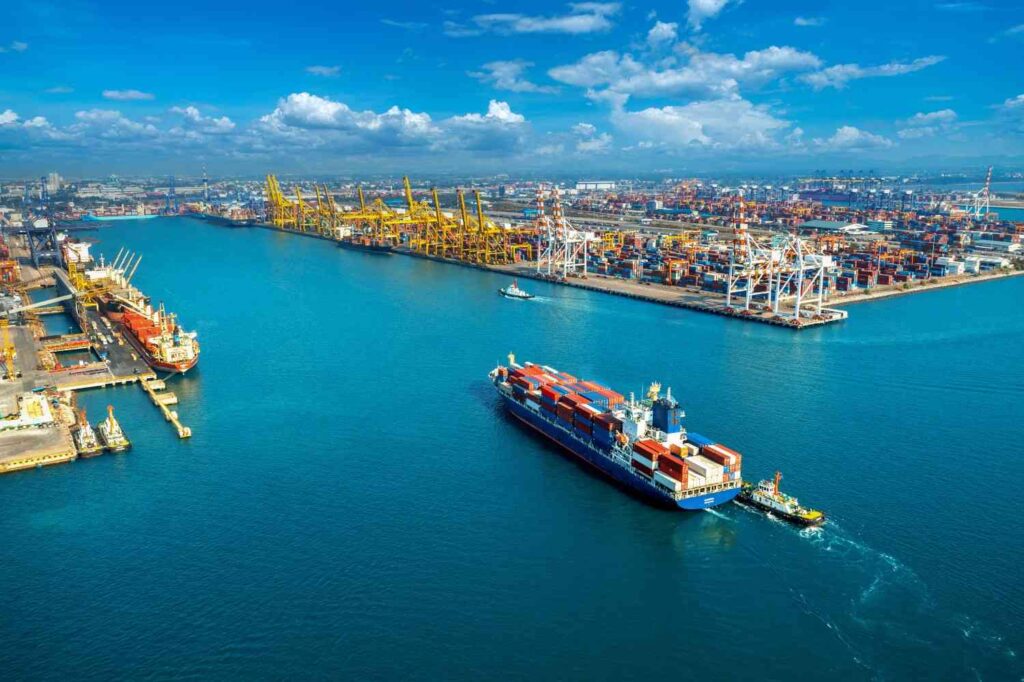
How to Choose the Right Sea Cargo Service for Smooth and Reliable Shipping
Sea freight continues to move the majority of global trade, but by 2026, choosing a sea cargo partner is no longer a straightforward decision. The industry has changed. Digital systems now shape how cargo is tracked, environmental rules affect routing and vessel choices, and global trade routes are less predictable than they once were—particularly for businesses operating through the UAE. For companies shipping internationally, selecting the right Cargo services by sea requires more than comparing transit times or headline freight rates. The right choice often determines whether cargo moves smoothly or becomes stuck in delays, unexpected charges, or compliance issues that affect the entire supply chain. Start With a Clear Understanding of the Cargo Before reviewing service providers, it is important to understand the nature of the shipment itself. Not all cargo behaves the same at sea. General container cargo, bulk materials, refrigerated goods, oversized machinery, and hazardous products each come with different risks, handling needs, and regulatory requirements. Shipment size, cargo value, urgency, and destination all influence which Cargo services by sea are suitable. Choosing a provider based only on price can create problems later, especially when cargo requires specific stowage, temperature control, or special documentation. Clear cargo planning also helps define priorities. Some shipments demand speed, others focus on cost efficiency, while high-value cargo requires maximum protection. Matching the service to the actual shipment needs leads to more consistent outcomes. Pay Attention to Digital Tools and Visibility Sea freight operations in 2026 are driven by data. The UAE has invested heavily in smart logistics infrastructure, and service providers are expected to operate at the same level. Reliable operators now offer digital tracking tools that show container movement across ports and transit points in near real time. This level of visibility allows businesses to plan downstream operations with more confidence instead of relying on manual updates or delayed status reports. Many Cargo services by sea operating from the UAE are integrated with platforms. These systems improve coordination between ports, terminals, vessels, and inland transport, reducing miscommunication and administrative delays. Predictive tools that anticipate congestion or routing disruptions also play a growing role in keeping shipments on schedule. Compliance and Sustainability Are No Longer Optional Regulatory requirements have tightened across global trade lanes. Environmental compliance and accurate customs reporting are now critical factors, especially for exporters supplying regulated markets. By 2026, businesses must consider whether their shipping partners can meet: IMO decarbonisation requirements Carbon reporting obligations, such as CBAM Paperless documentation standards Fuel efficiency and emissions transparency Choosing Cargo services by sea that are prepared for these requirements reduces the risk of penalties, shipment holds, or last-minute compliance corrections that can delay delivery. Look at the Total Cost, Not Just the Quoted Rate Freight rates rarely tell the full story. Fuel adjustments, terminal handling charges, seasonal premiums, and currency fluctuations all affect final shipping costs. Best practice involves reviewing itemised quotations and understanding how pricing behaves throughout the year. Many UAE exporters now use index-linked pricing models tied to global freight indices to avoid locking into unfavourable rates during volatile market periods. Container utilisation also affects cost efficiency. Proper packing, weight distribution, and pallet planning can reduce the cost per unit when using Cargo services by sea, especially for high-volume shipments. Choose the Right Port for the Shipment The UAE offers multiple advanced ports, but each serves different operational needs. Selecting the most suitable port depends on cargo type, destination, and transit priorities. Jebel Ali Port remains the main gateway for large-scale container trade with extensive global connectivity. Khalifa Port continues to attract industrial and manufacturing cargo due to its modern infrastructure and integrated logistics zones. Fujairah Port offers flexibility for routes affected by regional congestion, while Khorfakkan Port provides direct access to major east–west trade lanes. Strategic port selection can reduce handling risks, shorten transit time, and improve reliability when working with Cargo services by sea. Insurance and Risk Planning Matter More Than Expected Even well-planned shipments face risks at sea. Weather conditions, port congestion, and handling incidents cannot be fully eliminated. Businesses should review insurance coverage carefully rather than relying on basic carrier liability. A dependable service provider explains coverage limits clearly and aligns insurance options with the actual cargo value. This is particularly important for fragile, high-value, or project-related shipments where losses can have serious financial consequences. Build Flexibility Into the Shipping Plan Global shipping conditions remain unpredictable. Route diversions, slow-steaming practices, and geopolitical disruptions continue to affect transit schedules. Experienced Cargo services by sea help businesses plan buffer timelines, diversify routing options, and secure space well in advance—especially during peak seasons such as the Chinese New Year or year-end demand periods. Allowing extra lead time is no longer excessive caution; it is a realistic approach to protecting delivery commitments. Final Thoughts Choosing the right sea cargo partner in 2026 involves more than moving containers between ports. Visibility, compliance readiness, cost transparency, and operational flexibility now define reliable sea freight operations. For businesses operating from the UAE, working with the best freight forwarders in Dubai that understand digital logistics systems, evolving regulations, and regional port dynamics helps reduce risk and improve consistency. Careful planning and informed service selection ensure sea freight remains a dependable foundation for international trade, even as global shipping conditions continue to evolve.
How to Choose the Right Sea Cargo Service for Smooth and Reliable Shipping Read More »