
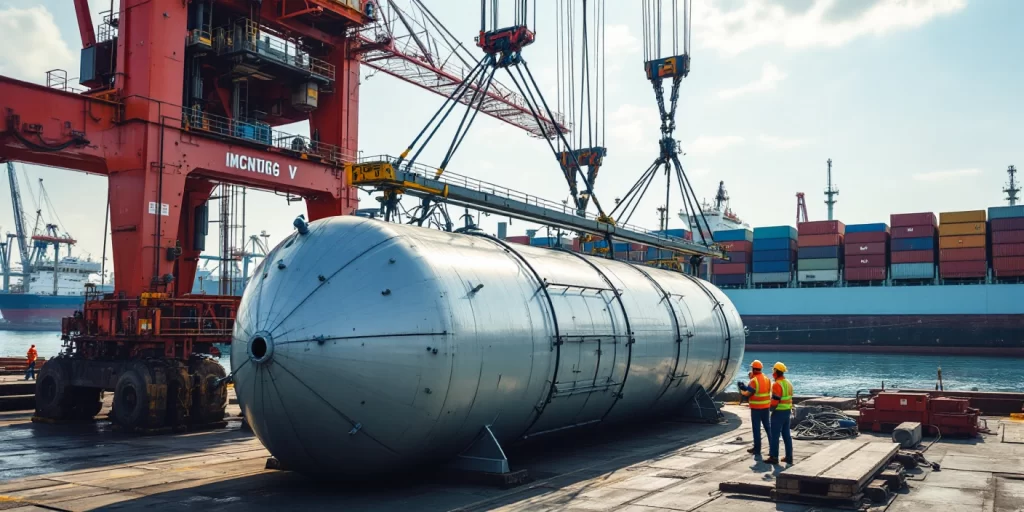
Project Cargo Shipping from UAE: What Businesses Should Know
Moving oversized, heavy, or high-value equipment? It’s never simple. There’s no standard playbook, no universal checklist that somehow covers every scenario. Each move demands its own planning, real technical know-how, and coordination between stakeholders who all need to be clear on what success looks like—and what failure costs. Project Cargo Shipping from the UAE isn’t just another logistics category. For industries where precision and timing make the difference between projects succeeding or collapsing under their own weight, getting this right matters enormously. The UAE didn’t stumble into becoming a preferred hub for complex cargo. Sure, location helps—sitting between Asia, Europe, and Africa creates natural routing advantages competitors can’t replicate. But location alone doesn’t explain it. There’s infrastructure genuinely built to handle unusual cargo that breaks standard shipping assumptions. There’s a regulatory environment that actually adapts to what modern trade requires instead of clinging to outdated frameworks. For businesses working in energy, construction, or industrial development, understanding how project cargo operates here can’t be something figured out mid-crisis when equipment is already sitting at the port. Why the UAE Works When Other Options Don’t Geography handed the UAE an advantage nobody can copy. Being positioned where three continents meet means access to major trade routes without forcing cargo through convoluted detours, adding days or weeks to schedules. When moving heavy equipment across vast distances, those shortcuts matter more than most people realize until they’re comparing transit times and costs. Jebel Ali and Khalifa Port aren’t just big facilities with lots of space—they’re engineered specifically for non-standard cargo demanding equipment most ports don’t keep on hand. Al Maktoum International Airport offers similar specialized capabilities for air freight, though obviously, weight and size limits apply differently when things need to fly. Here’s what genuinely distinguishes the UAE, though: different transport modes actually work together instead of existing as separate operations that barely acknowledge each other’s existence. Heavy-lift vessels, Ro-Ro services, chartered aircraft, specialized road trailers—these connect with relatively few friction points for Project Cargo Shipping that almost never relies on just one transport method. Fewer handover points mean fewer opportunities for miscommunication, damage, or delays. Better schedule control means projects don’t get derailed because equipment is stuck somewhere in the logistics chain while everyone points fingers about whose responsibility it is. Regulatory Requirements That Catch People Off Guard Shipping project cargo through the UAE requires strict compliance with both local and international regulations. No shortcuts, no “close enough” approaches. Standard documents—commercial invoices, detailed packing lists, bills of lading, air waybills—remain absolutely essential. Recent regulatory changes have cranked up the importance of getting details right the first time, though. The UAE rolled out a transition to 12-digit Harmonized System codes in 2025, expanding how tariffs get classified and reducing room for interpretation in cargo declarations. This hits heavy machinery and industrial components particularly hard. Classification errors don’t just slow things down a bit—they trigger holdups that cascade through project timelines while everyone scrambles to fix paperwork that should’ve been correct from the start. Then there’s the mandatory Maritime Preload Cargo Information filing. Shipping instructions now need submission well before vessels depart, especially for complex Project Cargo Shipping involving multiple transport legs or transshipment through different facilities. Getting this done early isn’t optional anymore—it’s the difference between smooth operations and “No Doc, No Load” situations that literally halt projects while documentation gets sorted. That kind of delay doesn’t just cost money; it destroys credibility with clients who scheduled entire work programs around equipment arriving when promised. Infrastructure Developments That Actually Matter The UAE keeps pouring investment into infrastructure supporting large-scale logistics. Etihad Rail’s freight network continues expanding—should cover substantially more territory by late 2025—offering real alternatives for moving heavy components across emirates and into neighboring GCC markets. Rail makes tremendous sense for oversized loads that turn into logistical nightmares when moved by truck through congested urban areas or narrow roads never designed for equipment that size. Ports are going greener with solar power and electric handling equipment. Environmental benefits aside, these upgrades often bring improved operational efficiency that benefits shippers directly through faster turnaround times. Customs processes are shifting toward risk-based digital systems, allowing pre-clearance for approved cargo and cutting port dwell time for shipments that don’t raise flags. Less time sitting at the port means faster project progression and lower storage costs. These improvements strengthen capacity for Project Cargo Shipping exactly when demand is climbing, thanks to initiatives like Operation 300bn, which aims to dramatically expand industrial output and infrastructure development across the UAE over the coming years. Industries Where Project Cargo Isn’t Optional Several sectors absolutely depend on robust project logistics. Oil and gas operations regularly move drilling rigs weighing hundreds of tons, compressors the size of small buildings, and pipeline sections stretching dozens of meters. Renewable energy projects need to transport wind turbine blades exceeding 70 meters—picture trying to maneuver something longer than two semi-trucks end-to-end through port facilities and then overland to installation sites. Solar farms need transformers and equipment that can’t be disassembled. Construction projects depend on heavy machinery and prefabricated modules arriving precisely when scheduled. Delays in any of these scenarios cost way more than just the obvious expenses. They stall entire projects where dozens of other work streams are choreographed around that specific equipment, showing up on time. Damage during transport? Catastrophic, because replacement lead times for specialized industrial equipment frequently run three to six months minimum. That kind of setback can completely wreck project economics and contractual commitments. Route surveys, engineering studies, detailed risk assessments—these aren’t bureaucratic busywork. They’re fundamental requirements separating successful moves from expensive disasters that end up as cautionary tales. Oversized loads need road permits, escort vehicles, sometimes temporary infrastructure modifications like removing overhead signs or traffic signals, and constant coordination with transport authorities. These requirements exist to prevent accidents, avoid damaging public infrastructure, and keep projects from turning into regulatory nightmares or safety incidents. Working With Partners Who’ve Actually Handled This Before Successful project moves need more than just vessels and equipment
Project Cargo Shipping from UAE: What Businesses Should Know Read More »