
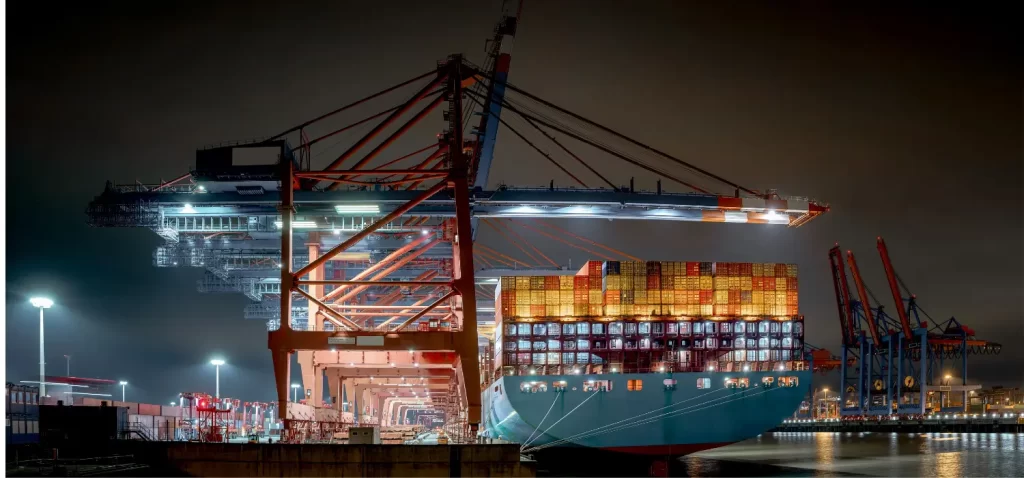
Best Port-to-Port Cargo Services in UAE for International Shipping
The UAE has carved out a solid reputation as one of the most reliable gateways for international trade. Located between Asia, Europe, and Africa with advanced port infrastructure and strong global ties, the country sits at the heart of modern supply chains. Port-to-Port Cargo Services have become crucial for businesses chasing efficient, cost-controlled, and international cargo movement. Unlike door-to-door logistics, port-to-port shipping zeroes in on moving cargo strictly between origin and destination ports. Exporters, importers, freight forwarders, and industrial traders lean toward this approach when they want tighter control over inland transportation while counting on stable ocean freight networks for the international stretch. Why Port-to-Port Shipping Matters Here The UAE pushes through more than 25 million TEUs annually, powered by world-class ports like Jebel Ali Port and Khalifa Port. These facilities churn through high container volumes, industrial cargo, and time-sensitive international shipments with impressive efficiency and consistency. Global supply chains keep shifting in 2025, and choosing the right Port-to-Port Cargo Services in Dubai has turned into a strategic move. Port-to-port shipping opens up space for businesses to fine-tune routes, keep costs visible, and tap into a broad selection of global carriers. Whether moving Full Container Load (FCL) or Less-than-Container Load (LCL), this method hands businesses better control over schedules, handling, and coordination at the other end. Global Carrier Networks Powering UAE Ports International port-to-port shipping from the UAE runs on massive global carrier networks working through key hubs like Jebel Ali, Khalifa Port, Khorfakkan, and Fujairah. These networks pump out structured sailing schedules, wide geographic reach, and dependable vessel capacity across major trade lanes worldwide. This web of connectivity keeps UAE ports tied—both directly and through connections—to hundreds of destinations spanning Asia, Europe, Africa, and the Americas. Frequent sailing schedules and multiple routing options give shippers room to juggle transit time, cost, and reliability based on cargo type and where it needs to land. Modern vessel fleets combined with digital tracking systems and smart routing push port-to-port cargo movement forward. These tools slash delays caused by congestion, seasonal demand surges, or route disruptions, forming the operational core of Port-to-Port Cargo Services for heavy-duty and time-pressed shipments. Strategic Ports Driving International Movement Choosing the right port carries as much weight as picking the carrier—each UAE port brings something specific to the table, depending on cargo type and where it’s headed. Jebel Ali Port remains the region’s biggest man-made harbour, linking to over 180 ports spanning six continents. It’s the default choice for high-volume containerised cargo and global trade lanes. Khalifa Port in Abu Dhabi has evolved into a heavily automated logistics centre, posting strong throughput gains in 2025. Its sophisticated handling systems and tracking tech make it especially well-suited for industrial, project, and manufacturing cargo. Fujairah Port, sitting outside the Strait of Hormuz, gives shippers a smart backup option for bulk cargo and shipments needing route flexibility when regional bottlenecks crop up. Khorfakkan Port delivers direct ocean access on major East-West trade routes, letting vessels trim transit time by bypassing the Arabian Gulf completely. These ports working together cement the UAE’s spot as a global powerhouse in Port-to-Port Cargo Services. Industry Shifts Reshaping Port-to-Port Shipping in 2025 Several big changes are rewriting how international shipping operates from the UAE. Shipping alliances got restructured early in 2025, messing with vessel schedules and route availability. Businesses leaning on port-to-port shipping now have to watch carrier networks and schedule reliability more carefully. Digitalisation keeps gaining speed across the sector. AI-powered platforms, real-time IoT tracking, and instant rate calculators are cutting documentation delays and boosting shipment visibility from origin port straight through to destination. The UAE rolled out regulatory updates in 2025 focused on modernising maritime operations, ramping up safety standards, and strengthening environmental rules. These moves make international port-to-port cargo movement run smoothly and more transparently. Cost optimisation has improved noticeably, too. Tech-driven freight solutions now serve up more transparent pricing structures, pushing Port-to-Port Cargo Services within reach of mid-sized exporters alongside big players. Picking the Right Port-to-Port Cargo Partner Selecting the right service partner demands some homework. Shippers need to sort out whether FCL or LCL shipping matches their situation, check how well the provider knows destination-country regulations, and confirm they deliver real-time tracking and reporting. Tight documentation management and customs know-how at both origin and destination ports remain absolutely critical for dodging delays and surprise costs. A solid partner keeps cargo services in Dubai moving efficiently between ports, trimming dwell time and operational risk—the real essence of effective Port-to-Port Cargo Services. Final thoughts The UAE’s international shipping landscape in 2025 runs on scale, cutting-edge technology, and strategic global connections. Backed by top-tier ports, robust carrier networks, and seasoned logistics pros, the country delivers some of the most reliable Port-to-Port Cargo Services for international trade. For businesses zeroing in on efficiency, cost control, and global reach, port-to-port shipping from the UAE stays practical and future-ready. Grasping port capabilities, carrier networks, and evolving industry patterns matters for making sharp logistics calls and staying competitive globally. Working with an experienced and well-aligned freight forwarding company in Dubai carries equal importance in this environment. In the UAE, companies like Forwardair Cargo have built recognition within the industry for their structured take on international freight handling. As a verified member of the DF Alliance, Forwardair Cargo operates inside a global network of accredited logistics partners, backing up reliability, compliance, and international operational standards. These connections add confidence for businesses hunting for consistent and professionally managed port-to-port cargo movement.
Best Port-to-Port Cargo Services in UAE for International Shipping Read More »